

If you have ever gone shopping for an entryway doormat or sourced floor coverings for a commercial project, you’ve almost certainly come across natural coconut coir mats. Derived from the tough fibrous husk of coconuts—a sustainable resource abundant in southern coastal India—coir has been the undisputed king of scraping mats for centuries. It’s natural, eco-friendly, highly durable, and exceptionally effective at digging deep into shoe soles to scrape away mud, dirt, and wet grit before anyone steps inside your home or office.
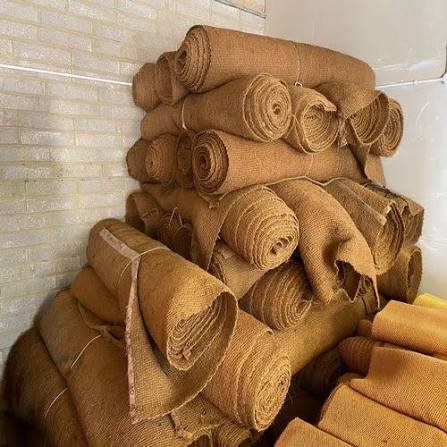
However, when you start looking at manufacturer catalogues, wholesale export lists, or specialised supplier brochures, things can get confusing fast. You will suddenly run into complex trade terms like creel coir mat, fibre coir mat, handloom brush mat, PVC-tufted roll, and trade classifications like BC1, BC2, and BC20 mat grades. What do these acronyms mean? Why does a 38mm thick woven mat cost three times as much as a vinyl-backed mat that looks nearly identical from the top? And most importantly, which of the many coir mat types is actually best suited for your front porch, apartment lobby, or high-traffic commercial building?
In this comprehensive guide, we clear away the jargon and break down all the popular types of coir mats available in the market today. Whether you are an Indian homeowner wanting a durable, festive doormat, an architect selecting sustainable entryway matting, or a bulk buyer sourcing container loads from Kerala, this guide will help you buy with complete confidence!
Quick Comparison Table of Coir Mat Types
To help you quickly compare construction methods, backing materials, durability levels, ideal placement, and relative price points, here is a master snapshot of all major coir entrance mats on the market today.
| Coir Mat Type | Construction Method | Backing Material | Durability & Traffic Rating | Best Use & Application | Typical Price Level |
| Creel Coir Mat | Fine, tightly woven 2-ply coir yarn on handlooms/powerlooms | Self-hemmed coir yarn or latex dipping | High to Very High (Heavy residential / Medium commercial) | Main entrance doors, formal foyers, covered porches | Moderate to Premium |
| Fibre Coir Mat | Braided/plaited raw coir fibre thick weave | Reversible (No backing) or self-bordered | Maximum / Extreme heavy-duty scraping | Uncovered outdoor entrances, farmhouses, muddy boots | Premium (Handcrafted) |
| Handloom Brush Mat | Vertical cut-pile yarn embedded into woven base | Woven coir base / Latex finished | Very High (Heavy scraping) | Porches, mudrooms, heavy footwear scraping | Moderate to High |
| PVC-Tufted Coir Mat | Cut coir yarn cut-pile embedded directly into molten vinyl | Solid PVC / Vinyl backing | High (Medium to Heavy indoor/covered traffic) | Apartments, retail entryways, custom cut sizes | Budget to Economy |
| Rubber-Moulded Coir | Coir tufts or coir sheet pressed into cast rubber frame | Heavy rubber tray / wrought-iron style frame | Very High (Weatherproof & heavy scraping) | Rainy outdoor entrances, garden doors, wet zones | Moderate |
| Latex-Backed Coir | Woven yarn with natural rubber latex sprayed on rear | Flexible Natural Latex coating | Medium to High (Flexible, non-slip) | Indoor doorways, covered residential entrances | Budget to Moderate |
| Corridor Matting Rolls | Continuous woven coir or PVC-tufted rolls (1m to 2m wide) | PVC / Latex / Unbacked woven | High to Extreme (Heavy commercial footfall) | Long hallways, hotel corridors, office lobbies | Commercial Bulk Rate |
| Printed & Flocked Mats | PVC-tufted base screen printed or nylon micro-flocked | Solid PVC / Vinyl base | Medium (Pattern wears under heavy grit abrasion) | Decorative home front doors, holiday decor | Budget to Moderate |
1. Traditional Woven Coir Mats
Traditional woven mats represent the authentic, centuries-old coir weaving heritage of Kerala, India. Made directly from spun coir yarn (derived from coconut husks), these mats are crafted on traditional wooden handlooms or mechanical powerlooms. Unlike modern vinyl-backed mats, woven mats rely on structural weaving patterns to create stability, strength, and dirt-scraping ridges.
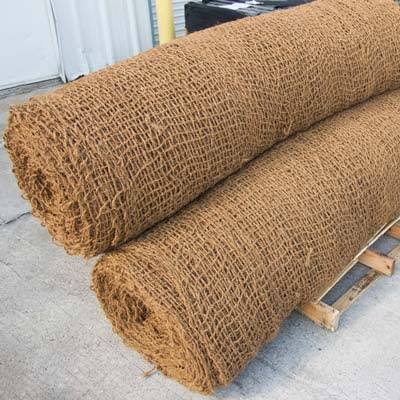
When searching for a genuine fibre coir mat built with old-world craftsmanship, woven styles are the gold standard. They are fully biodegradable, eco-friendly, and allow water to drain through naturally rather than trapping it underneath. Woven mats come in several distinct weaves, ranging from flat herringbone styles to dense pile textures.
Because they do not feature a rigid rubber or plastic backing, traditional woven mats are often reversible. When one side gets dusty or worn after years of use, you can simply flip the mat over for a fresh start! They are ideal for covered verandahs, traditional home entrances, and eco-conscious buyers who prefer 100% natural materials without synthetic additives.
2. Creel and Brush Mats
Among traditional handloom products, you will frequently hear exporters and manufacturers talk about creel coir mat designs and brush mats. Understanding the difference between these two is critical for bulk sourcing.
What is a Creel Coir Mat?
A creel coir mat is a high-grade woven mat constructed using a specific weaving setup known as a creel frame. In this process, double-ply coir yarn (usually high-grade Anjengo or Mangadan yarn) is woven into a dense, tight, low-profile mat with a neatly finished face. The pile height is generally uniform, dense, and slightly lower than heavy brush mats, giving it an elegant, flat appearance without sacrificing scraping efficiency.
Creel mats are widely respected for their structural stability. They resist curling at the edges, do not shed excessively, and provide a firm, stable walking surface. They are frequently used in residential foyers, boutique commercial entrances, and covered front porches where a neat, sophisticated look is required alongside good dirt scraping.
Understanding Brush Mats
A brush mat (often called a handloom cut-pile brush mat) focuses heavily on vertical scraping power. In a brush mat, thick coir yarns are woven so that the fibre ends point vertically upwards, acting like thousands of tiny stiff brush bristles. When you wipe dirty boots on a brush mat, these stiff bristles penetrate deep into the tread patterns of your shoes to dislodge caked-on mud and wet soil.
Brush mats are typically thicker than creel mats (ranging from 22mm to over 35mm thick). Because of their height and open pile density, dirt drops deep down into the root of the mat, keeping the top surface clean even after hundreds of footsteps.
3. Fibre Mats
The term fibre coir mat specifically refers to mats where raw, un-spun coir fibre is hand-plaited, braided, or heavy-stitched directly without first being spun into thin yarns. These are the absolute heavyweights of the natural coconut fibre world.
Fibre mats are dense, thick (often 30mm to 50mm thick), and exceedingly tough. They are easily recognizable by their thick braided borders and rugged, rustic surface texture. If you live on a farm, near a muddy construction area, or in a region with heavy seasonal rains, a heavy-duty fibre mat is virtually indestructible.
The open, coarse nature of raw fibre allows mud and coarse gravel to fall right through the matrix. Cleaning a fibre mat is simple: lift it up, shake off the accumulated dirt underneath, and brush it down. Because there is no solid backing, water passes through freely, allowing the mat to dry out quickly in the sun without rotting or souring.
4. Corridor and Matting Rolls
When outfitting large public spaces, office buildings, hotels, or long residential hallways, individual doormats won’t cut it. That is where coir corridor rolls come into play. Manufactured in continuous lengths—typically in width rolls of 1 metre, 1.2 metres, 1.5 metres, or 2 metres, up to 10 or 20 metres in length—these commercial matting rolls provide seamless floor coverage for expansive walkways.
Coir matting rolls are available in both traditional woven flat weaves (such as Boucle, Panama, or Herringbone weaves) and heavy-duty PVC-tufted rolls. They serve two vital functions in commercial settings:
- Dirt Trapping: Acting as a primary walk-off zone, stripping dirt from footwear over a 5-to-10 step walking distance before visitors enter carpeted or polished marble areas.
- Floor Protection & Safety: Preventing slip-and-fall accidents on polished tile floors during rainy seasons while protecting expensive subfloors from abrasive grit scratching.
5. PVC-Tufted Coir Mats
Over the past thirty years, PVC-tufted coir mats (also widely known as vinyl-backed coir mats) have become the most popular coir mat type globally. If you buy a coir mat from a modern home store or supermarket, chances are high that it is a PVC-tufted mat.
Unlike traditional hand-woven mats, tufted mats are manufactured using an automated process. Spun coir yarns are cut and pressed directly into a liquid PVC (vinyl) backing compound. As the PVC cools and cures, the coir fibres become permanently locked into the vinyl base.
Why PVC-Tufted Coir Mats Dominate Modern Retail:
- Zero Edge Unraveling: Traditional woven edges can fray over time; PVC backing locks each fibre tuft in place so edges stay clean and sharp.
- Custom Cut Shapes: PVC-tufted mats can be cleanly cut with a utility knife into any shape, curve, or mat well dimension without edge binding!
- Low Profile Clearance: Available in precise thin profiles (14mm, 17mm, 20mm, 23mm) that fit easily under modern low-clearance entrance doors.
- Anti-Slip Stability: The solid vinyl back grips smoothly onto indoor tiles, wooden floors, and concrete, preventing the mat from sliding around.
6. Rubber-Moulded Coir Mats
If you need a mat that combines the rustic aesthetic of natural coconut fibre with maximum weather resistance, rubber-moulded coir mats are an outstanding choice. These mats feature a heavy, durable cast rubber frame or base into which coir fibre inserts or brush tufts are vulcanized.
Rubber-moulded mats frequently showcase ornate, wrought-iron pattern borders, scrollwork, or geometric tray designs. The heavy rubber base gives the mat substantial weight, ensuring it stays firmly anchored even during high winds on open outdoor porches.
Furthermore, because the rubber framework lifts the coir tufts slightly off the ground, water can drain away beneath the mat during heavy monsoons. This reduces water retention in the coir fibres and significantly extends the life of the mat in fully exposed outdoor settings.
7. Latex-Backed Coir Mats
Latex-backed coir mats represent a perfect middle ground between 100% natural unbacked woven mats and synthetic PVC-backed mats. In this construction style, a traditional woven coir mat is lightly sprayed on its underside with a thin layer of natural rubber latex compounding.
The natural latex coating coats the bottom yarn knots, binding them together to prevent unraveling while adding a soft, flexible skid-resistant grip. Unlike thick PVC backings, natural latex remains highly flexible, breathable, and fully biodegradable.
Latex-backed coir mats are an ideal choice for environmentally conscious buyers who want the non-slip safety of a backed doormat without introducing synthetic plastics or vinyl into their home environment.
8. Printed and Flocked Mats
For modern homes, entrance mats are not just functional dirt scrapers—they are an extension of home décor and personal expression! Printed and flocked coir mats offer decorative designs, funny welcome messages, festive motifs, and intricate patterns printed directly onto the mat surface.
Screen-Printed Coir Mats
Screen-printed mats use high-grade pigment inks, azo-free dyes, or acrylic paints applied via stencil screens onto cut-pile tufted coir. These mats feature vibrant welcome text, floral designs, or holiday graphics. To ensure long-lasting color, look for mats produced with UV-resistant dyes that won’t fade quickly when exposed to sunlight.
Flocked Coir Mats
Flocking takes decorative design a step further. Instead of liquid ink, fine nylon micro-fibres are electrostatically applied onto adhesive-coated coir tufts. This creates a raised, velvety 3D pattern that feels soft underfoot, offers rich colour contrast, and stands out strikingly against the natural tan coconut background.
BC1, BC2 and BC20 Grades Explained
If you ask an Indian exporter or manufacturer for pricing, they will immediately ask: “Do you require BC1, BC2, or BC20 grade?” To most buyers, these codes sound like confusing jargon. However, understanding this grading system is the single most important secret to sourcing coir correctly and avoiding overpaying!
The letters BC stand for Beach Coir (or Brush Coir), referring to the quality of coir yarn spun from coconut fibres retted in natural backwaters along the coastal beach belt of Kerala. Here is what each grade actually means:
BC1 Grade (Premium Export / Superior Quality)
- What it is: BC1 is the highest standard of coir yarn. It is made from clean, fully matured, long golden coconut fibres that have been thoroughly cleaned of pith, dust, and short impurities.
- Key Characteristics: Bright golden-yellow color, uniform yarn diameter, high twist consistency, extremely low fiber shedding, and superior pile resilience.
- Best For: High-end export markets (Europe, USA), luxury residential door mats, premium printed mats, and high-traffic commercial building entryways.
BC2 Grade (Commercial Standard / Mid-Grade)
- What it is: BC2 is the standard industry workhorse grade. It uses good quality coir fibres mixed with slightly shorter fibre lengths and a small percentage of natural coir dust/pith.
- Key Characteristics: Slightly darker brown shade, minor variations in yarn thickness, moderate initial shedding, and excellent functional durability at a lower cost.
- Best For: General retail doormats, apartment entrance mats, budget commercial installations, and everyday utility mats.
BC20 Grade (Utility / Economy Grade)
- What it is: BC20 is an economy-grade specification crafted using shorter coir fibres, reprocessed fiber matrix, or un-retted brown husk fibre mixtures.
- Key Characteristics: Darker brown/reddish color, higher pith content, coarse texture, higher initial fibre shedding, and lower pile height uniformity.
- Best For: Low-cost promotional mats, temporary site matting, agricultural floor covers, and heavy budget-conscious applications.
Best Type of Coir Mat for Each Entrance Location
Choosing among the various coir mat types comes down to where you plan to place the mat. Matching the right construction to the right environment ensures maximum dirt removal and maximum longevity.
1. Uncovered Outdoor Porch or Gate Entrance
- Recommended Choice:Fibre Coir Mat or Rubber-Moulded Coir Mat
- Why: Uncovered areas are exposed to heavy rain, burning sun, and coarse dirt. Rubber-moulded and thick unbacked fibre mats allow rainwater to pass right through without pooling, preventing mildew and fiber rotting while offering rugged scraping power for muddy footwear.
2. Covered Apartment Entryway or Hallway Door
- Recommended Choice:17mm PVC-Tufted Coir Mat or Latex-Backed Woven Mat
- Why: Covered doorways need clean aesthetic borders, smooth non-slip grip on tiled floors, and low door clearance. A 17mm PVC-tufted mat fits under almost all standard apartment front doors while keeping fine dust inside the mat base.
3. High-Traffic Commercial Office or Retail Lobby
- Recommended Choice:BC1 Grade Creel Matting Roll or Heavy-Duty PVC Cut-Pile Roll
- Why: Commercial lobbies face thousands of steps daily. High-density BC1 grade creel rolls installed into recessed mat wells provide a sleek, flush walking surface that withstands heavy foot traffic, shopping carts, and luggage wheels without crushing.
4. Festive Home Doorway & Decorative Entrances
- Recommended Choice:Flocked or Screen-Printed PVC Coir Mat
- Why: For housewarmings, Diwali, Christmas, or welcoming guests, a brightly printed or 3D flocked coir mat adds a warm, festive vibe while keeping dust off your clean interior floors.
Consumer versus Commercial Grades
When purchasing coir mats, it helps to distinguish clearly between retail consumer grades and heavy commercial installation specifications:
- Thickness & Profile: Consumer doormats typically range from 12mm to 17mm to fit easily under residential doors. Commercial grades often feature thicker 20mm to 30mm cut piles designed to handle deep dirt storage in mat wells.
- Pile Density: Commercial mats use higher yarn counts per square metre (e.g., 6.5 kg/m² to 8.5 kg/m²) using BC1 grade yarns. Consumer mats range from 4.5 kg/m² to 5.5 kg/m² using BC2 grade yarn to keep costs economical.
- Edge Finishing: Consumer mats feature pre-cut standard dimensions (40x60cm, 45x75cm, 60x90cm) with vinyl borders. Commercial matting is sold in large, uncut master rolls or custom-edged tiles designed for seamless wall-to-wall fitting.
Frequently Asked Questions (FAQs)
Q1: Why is my new coir mat shedding fibres, and is that normal?
Answer: Yes, loose fibre shedding is completely normal for new natural coir mats during their first 2 to 4 weeks of use. It simply represents short loose fibres left over from the cutting and shearing manufacturing process. Simply shake the mat out gently or vacuum it without a rotating brush. Shedding will decrease significantly after a short break-in period.
Q2: How do you clean a natural coir doormat properly?
Answer: Cleaning a coir mat is simple! For dry dirt, turn the mat upside down and tap the back firmly to dislodge trapped soil, then brush off remaining surface debris with a stiff broom. Avoid soaking backed coir mats in water for long periods; if wet, hang the mat in a shaded, well-ventilated area to dry out thoroughly.
Q3: What is the difference between creel coir mats and PVC-tufted mats?
Answer: Creel coir mats are traditional handloom-woven mats made entirely of natural coir yarn without synthetic backing, making them fully eco-friendly and reversible. PVC-tufted coir mats have cut coir fibres embedded into a solid vinyl/plastic backing, providing excellent anti-slip grip and non-fraying cut edges, though they are not fully biodegradable.
Q4: Are coir mats waterproof? Can they stay out in direct rain?
Answer: Coir fibre itself is naturally water-resistant and rot-resistant because of its high lignin content. However, solid PVC-backed mats will hold trapped water if left uncovered in torrential rain. For direct rain exposure, choose unbacked fibre mats or rubber-moulded coir mats that allow water to drain away freely.
Q5: What does BC1 grade mean in coir mat specifications?
Answer: BC1 stands for Beach Coir Grade 1. It is the highest commercial quality grade of coir yarn, spun from clean, long golden coconut fibres. BC1 grade offers superior golden color, minimal fibre shedding, high density, and long-lasting durability compared to BC2 or BC20 utility grades.
See Also
- The Ultimate Guide to Coir Mats
- How This Traditional Factory Still Produces Giant Mats from Coconut – Inside Factory
- How Coir Mats Are Made in Kerala: From Coconut Husk to Doormat
- Sourcing from the Source: A Buyer’s Guide to Alappuzha’s Coir Industry
- How Long Do Coir Doormats Last? Complete Lifespan & Care Guide for Indian Homes
