

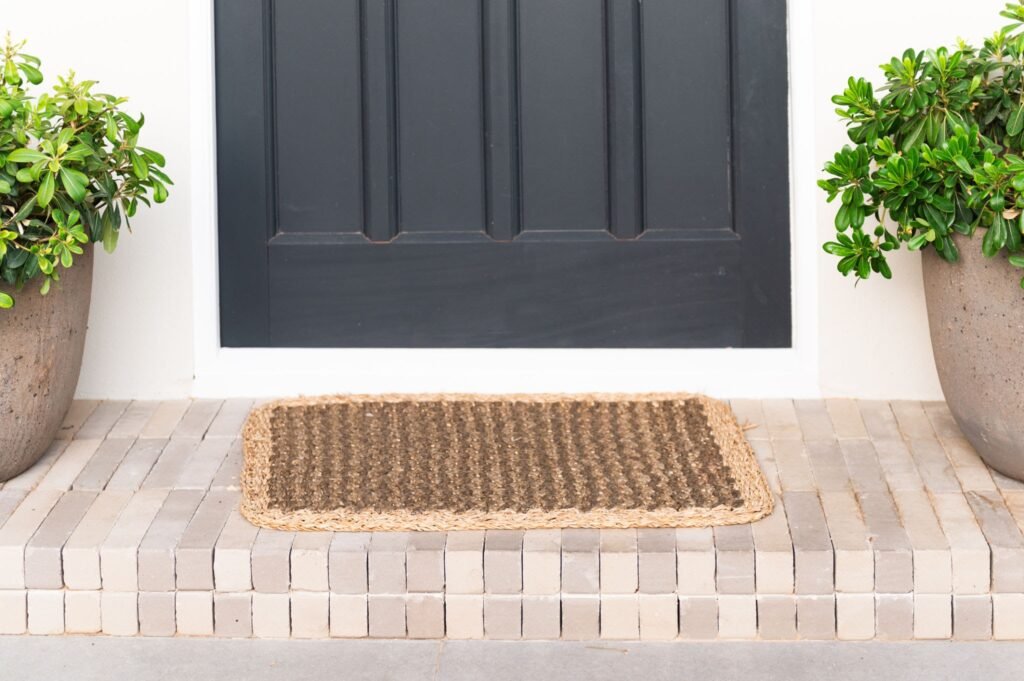
So, how long do coir doormats last ? On average, a natural coir doormat lasts 1 to 3 years. In a sheltered indoor apartment entryway, a thick coir mat can easily last up to 4 to 6 years. However, when placed in an open, unprotected entryway exposed to heavy rain, direct sunlight, or severe foot traffic, its lifespan drops to 6 to 12 months.
At a Glance: Coir Doormat Lifespan by Placement & Condition
If you are looking for quick numbers, here is the exact expected coir mat lifespan based on where you place your mat around your home or workspace:
| Placement Environment | Expected Coir Mat Lifespan | Primary Deterioration Factor | Maintenance Level |
| Indoor Entrance / Apartment Hallway | 4 – 6 Years | Gradual bristle flattening & dust accumulation | Low (Weekly vacuuming / shaking) |
| Covered Outdoor (Verandah / Porch) | 2 – 4 Years | High ambient humidity & light daily foot traffic | Moderate (Bi-weekly dry brushing) |
| Exposed Outdoor (Uncovered Gate / Steps) | 6 – 12 Months | Monsoon rainwater, harsh UV rays, & heavy mud | High (Frequent drying & sun rotation) |
| Commercial / High Traffic (Offices / Shops) | 3 – 9 Months | Extreme foot friction & continuous heavy loads | Daily (Heavy-duty vacuuming & beating) |
What Determines How Long Do Coir Doormats Last?
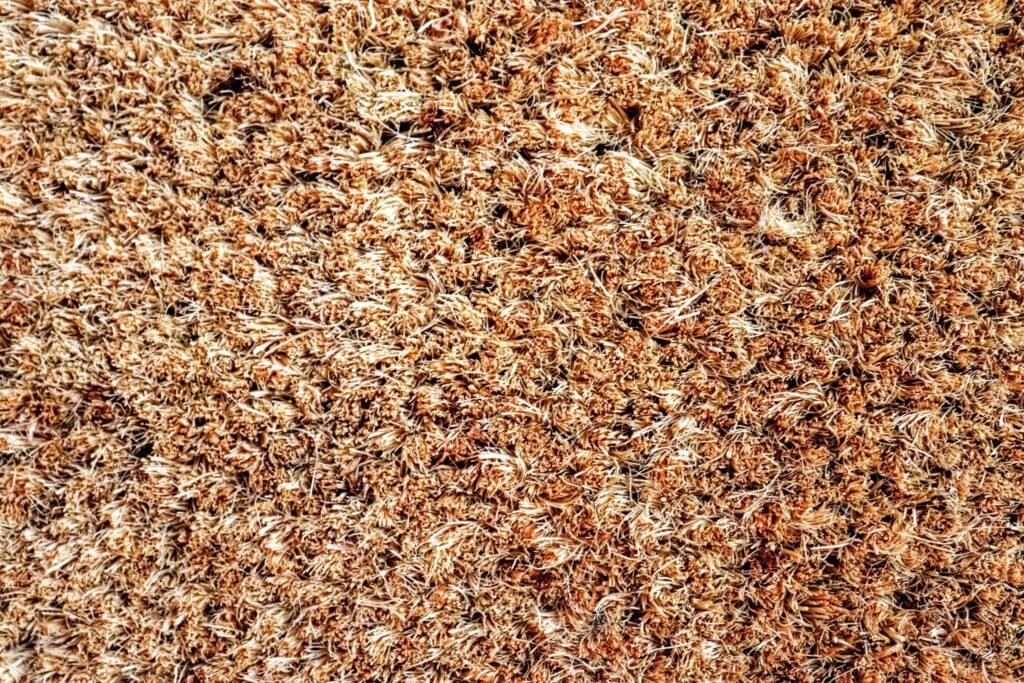
Coir is made from the tough outer husk of coconuts (Cocos nucifera). It is one of nature’s most resilient, eco-friendly coarse fibres. Thousands of bristles work like tiny brooms to scrape off dry dust, mud, and street grit before anyone steps inside your living room.
However, natural plant fibers behave differently under different environmental conditions. Let’s look at the biggest factors affecting its durability.
1. Covered Entrance vs. Exposed Entrance
Where you place your mat makes the biggest difference in its overall lifespan.
- Covered Entrances (Verandahs, Balconies with Roofs, Apartment Corridors): When protected from direct rainfall and continuous downpours, coir remains stable. It absorbs small amounts of moisture from shoes without getting soaked, easily lasting 2 to 4 years.
- Exposed Entrances (Main Gates, Open Courtyards, Garden Steps): Uncovered mats take the full brunt of nature. Torrential monsoon rain causes coir fibers to hold water for extended periods, encouraging mold, mildew, and fiber decay.
2. The Indian Climate: Rain, Monsoon Humidity, and UV Sunlight
India’s varied weather plays a major role in fiber breakdown:
- Monsoon Moisture & Rain: Coir fibers are naturally water-resistant to a degree, but prolonged waterlogging weakens the binding knots or rubber backing. Wet coir stays damp inside, leading to a persistent musty smell and rot.
- Harsh Summer Sunlight: Extended exposure to intense afternoon UV rays bakes the fibers, making natural coir brittle. Brittle fibers snap underfoot, leading to heavy shed loss.
- High Ambient Humidity: Coastal cities like Mumbai, Chennai, and Kolkata experience high humidity year-round. While coir handles moderate moisture well, high humidity delays natural drying after wet shoes wipe across it.
3. Foot Traffic Volume & Shoe Types
The math is simple: more shoes equal faster wear.
- A 2-member household using soft footwear or going barefoot inside will see very little fiber erosion.
- A 6-member joint family with kids running in and out in outdoor sports shoes, heavy boots, or formal footwear exerts intense friction. Over time, friction breaks the top fiber tips, gradually thinning out the mat’s center.
Rubber Backing vs. Hand-Woven Vinyl-Backed Coir: How Backing Affects Durability
The backing on your mat isn’t just for grip—it heavily influences how long the mat stays intact.
+-----------------------------------------------------------------------+
|                         COIR MAT BACKING TYPES                        |
+-----------------------------------------------------------------------+
                                   |
         +-------------------------+-------------------------+
         |                                                   |
         v                                                   v
+-------------------------------+         +-------------------------------+
|     PVC / RUBBER BACKED       |         |       NATURAL HAND-WOVEN      |
+-------------------------------+         +-------------------------------+
| • Keeps fibers locked in place|         | • 100% Biodegradable & porous |
| • Prevents slipping on tiles  |         | • Lets water drain straight   |
| • Vulnerable to waterlogging  |         |   through natural weave       |
| • Ideal for dry, covered areas|         | • Ideal for humid/rainy areas |
+-------------------------------+         +-------------------------------+
- PVC/Vinyl Backed Coir Mats: These feature machine-tufted coir fibers embedded directly into a flexible PVC layer. They hold their shape extremely well, do not shift on polished marble or tile floors, and offer zero shedding at the edges. However, if water gets trapped between the coir and the solid PVC layer, it cannot drain out easily.
- Natural Woven / Braided Coir Mats (100% Coir): Traditional Indian hand-woven coir mats feature natural woven edges without rubber backing. They are completely porous, allowing rainwater to drain straight through. They are ideal for open outdoor verandahs because they dry quickly when hung up.
5 Warning Signs: When to Replace a Coir Doormat
Not sure if your front door mat needs replacing? Look out for these 5 common signs:
- Severe Thinning in the Center: If the middle of the mat looks completely bald or flattened while the edges remain thick, it can no longer scrape dirt off shoe soles effectively.
- Persistent Musty Odor or Black Mold: If a damp smell remains even after drying the mat in the sun, internal mold spores have settled deep into the lower weave.
- Crumbling PVC Backing: If yellow or white rubber powder keeps shedding onto your floor beneath the mat, the synthetic backing has oxidized and failed.
- Excessive Shedding Beyond the Break-in Period: New coir mats shed loose fibers for the first 2 to 3 weeks. However, if your mat continues to drop heavy clumps of fiber after months of use, the internal weave has unraveled.
- Discoloration & Staining: Faded welcome prints, patchy dark water stains, or bleached areas detract from your home’s entrance curb appeal.
Pro Care Tips: How to Make Coir Mat Last Longer
You don’t need expensive tools to extend your mat’s life. Follow these simple steps to keep your doormat clean and functional for years.
1.Shake and Beat Weekly:Do not use water for routine cleaning.
Take your coir mat out into an open area once every week. Turn it upside down and give it a firm slap on the back. This dislodges fine dust particles embedded deep inside the thick bristle layer before they grind down the fibers.
2.Vacuum with Brush Attachment:Dry cleaning method.
Use your home vacuum cleaner with the upholstery brush tool to pull out fine sand, dried garden soil, and hair. Avoid using heavy-rotary carpet beaters as they can pull out loose strands.
3.Spot Clean Stains with Mild Soap:Keep moisture to a minimum.
If mud or oil gets on the mat, let it dry completely first, then scrape off the excess with a stiff brush. For stubborn stains, dab light soap water using a damp cloth. Never soak or immerse a coir mat in a bucket of water.
4.Rotate 180 Degrees Monthly:Even out wear patterns.
Most people step on the exact same spot on a doormat every time they enter. Rotating your mat 180 degrees every month ensures even friction distribution across both sides.
5.Elevate During Heavy Monsoons:Prevent waterlogging.
During monsoon season, move your outdoor coir mat under cover or place it over a perforated rubber grid to allow rainwater to drain underneath freely.
Can an Old Coir Mat Be Repaired?
While you cannot re-tuft bald patches where coir bristles have worn away completely, you can salvage a fraying mat:
- Trimming Frayed Edges: Use heavy-duty household shears to trim loose, hanging threads along the border to stop further unraveling.
- Refreshing Faded Welcome Designs: If your mat’s printed pattern has faded but the bristles are thick, touch up the design using exterior-grade acrylic paints and a stiff stencil brush.
- Patching Rubber Backing Cracks: Small tears on PVC backing can be secured using flexible waterproof silicone glue on the underside.
If the mat has lost more than 40% of its fiber density, replacement is the safest, cleanest option for your home.
Eco-Friendly Disposal: Composting & Repurposing Old Coir
One of the best benefits of pure, unbacked coir mats is that they are 100% biodegradable and eco-friendly. When your mat finally reaches the end of its lifespan, don’t throw it in the trash!
- Garden Mulch & Weed Barrier: Cut an old, 100% natural coir mat into smaller squares and place them around potted plants or fruit trees. They act as excellent weed suppressants while retaining soil moisture.
- Compost Pit Carbon Source: Natural coir fibers are rich in carbon (“brown material”). Chop up unbacked fibers and throw them into your home compost tumbler to balance kitchen green waste.
- Boot Cleaner in the Tool Shed: Place worn-out mats near garden sheds or garage work areas as rough scraping pads for muddy work boots.
Note: If your mat has a heavy PVC or vinyl backing, separate the rubber backing with a utility knife before composting the top natural fibers.
Frequently Asked Questions (FAQs)
Why is my new coir doormat shedding so much?
Shedding is completely normal for new natural coir mats! During manufacturing, short loose fibers remain trapped between the dense weave. Shaking the mat outdoors twice a week during the first month will settle the shedding naturally.
Can I wash my coir mat with a hose pipe?
No, never hose down a coir doormat with running water. Soaking coir causes the natural coconut fibers to swell, rot, and turn dark brown. Excess water also degrades PVC backing. Always stick to dry beating, vacuuming, and spot cleaning.
Are coir mats good for rainy seasons in India?
Coir mats excel at scraping off thick monsoon mud from shoes. However, they should be placed under covered verandahs or porch roofs during rainy months so they don’t remain waterlogged.
What is the difference between coir mats and rubber mats?
Coir mats feature stiff natural fibers that actively brush dirt, sand, and fine grit off shoe soles. Rubber mats offer great non-slip water drainage, but they lack abrasive scraping power. Combining both gives you the ultimate entryway setup!
