
When you step out to buy a classic coconut fiber doormat in India, it seems like a simple task. You look for a nice brown texture, check the size, maybe pick out a cute printed design, and wrap it up. But the moment you start exploring options online or browsing through specialized home decor markets, you will notice a huge structural difference in how these entryway mats are constructed. Have you ever checked pvc backed vs traditional woven coir mats ?
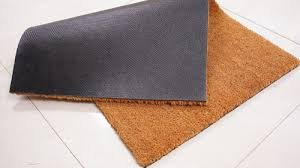
If you flip these mats over, you will find two completely distinct worlds. One side has a smooth, solid, plastic-like base, while the other features a beautiful, intricate mesh of rustic, woven rope.
These represent the two major construction methods used by coir manufacturers in India today: modern PVC backed (tufted) coir mats and traditional handloom woven coir mats.
While both styles use natural coconut husk fibers to scrape dirt off your sandals, they perform, clean, and age entirely differently. Choosing the wrong construction type for your specific porch or apartment doorway can lead to fraying edges, trapped puddles, or sliding hazards.
If you are wondering which option deserves a spot at your front door, let’s break down the technical differences, pros, and cons in a friendly, easy-to-understand comparison guide!
Understanding PVC Tufted Coir Mats
If you have bought a printed doormat from an e-commerce platform or a modern home furnishing retail store recently, chances are high that it was a PVC backed mat. Also known within the textile industry as PVC tufted coir mats, these are the products of modern manufacturing technology.
How They Are Made
Instead of weaving the coconut fiber into a fabric base, industrial machines cut raw coir yarn into tiny, uniform bristles. These upright bristles are then mechanically embedded (or tufted) straight into a thick, molten layer of liquid Polyvinyl Chloride (PVC) plastic. As the PVC cools down, it solidifies into a heavy, flexible vinyl backing that locks every individual fiber firmly into place.
The Major Advantages:
- Zero-Slipping Safety: The heavy vinyl layer on the bottom acts like a built-in gripper. It sticks beautifully to slick, polished indoor floors like marble, vitrified tiles, and granite, ensuring your mat never slides out from under your feet when you rush out the door.
- Clean, Modern, Custom Cuts: Because the backing holds everything securely, these mats can be sliced into sharp, neat rectangles, half-moons, or fun custom shapes without ever unraveling. The clean, flush edges give a very neat, contemporary look to modern apartment entryways.
- Perfect for Printed Designs: Because the machine-cut pile height is perfectly level, it creates a flat, smooth canvas. This allows manufacturers to print incredibly crisp, high-definition designs, slogans, and colorful patterns that stay sharp over time.
Understanding Traditional Handloom Woven Coir Mats
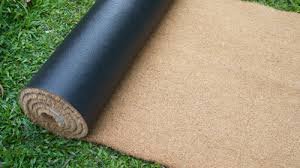
Long before automated factories existed, coastal regions like Alappuzha (Alleppey) in Kerala became world-famous for their incredible handloom industry. Traditional handloom woven coir mats are heritage craft items that carry the soul of Indian artisan workmanship.
How They Are Made
These mats contain absolutely zero plastic or rubber backings. Instead, rural weavers spin the raw coconut husk fiber into strong ropes called coir yarn. Using massive wooden handlooms passed down through generations, they weave the yarn into a thick, double-sided, interlocking textile matrix. In variations like creel mats or fibre mats, the upright scraping pile is woven directly into the structural rope warp and weft.
The Major Advantages:
- Excellent Water Permeability: Unlike solid plastic bases, a handloom woven mat features a porous, breathable weave structure. If rainwater splashes onto it, the water passes straight through the mat instead of pooling inside the pile, allowing it to dry out naturally and quickly.
- Reversible Double-Sided Utility: Many traditional woven designs (like plain corridor mats) look identical on both sides. When one side gets dusty or worn down after a year of use, you can simply flip the entire mat over for a brand-new, clean look, effectively doubling its usage life!
- Rich Heritage Charm: There is an undeniable rustic, authentic weight to a hand-woven mat. It features unique braid work, thick woven borders, and a chunky texture that machine production simply cannot duplicate.
Comparative Analysis: Which Lasts Longer?
When investing in home furnishing products, we want to make sure our choices stand up to the test of daily foot traffic. So, when comparing PVC backed vs traditional woven coir mats, which construction style actually boasts a longer lifespan?
The answer depends entirely on where you place the mat and its exposure to moisture.
Scenario A: Covered Porches & Apartment Indoors (Winner: PVC Backed)
In a dry, covered indoor environment, a PVC backed coir mat lasts exceptionally well. Because the vinyl base locks the bristles completely, it experiences significantly less fiber loss over time. It won’t lose its shape, and the edges remain perfectly crisp for up to two to three years. However, if you place a PVC mat in an open area where direct rainwater pools beneath it, the trapped moisture will slowly rot the glues, causing the vinyl layer to crack, peel, and split away from the coir layer.
Scenario B: Open Verandas, Gardens & Monsoon Areas (Winner: Traditional Woven)
If your entrance is completely exposed to heavy rains, hot afternoon sun, and muddy boots, the traditional handloom woven mat is the undisputed longevity champion. Because it contains no plastic backings, it cannot crack or separate. Water drains out cleanly, preventing rot. While it will experience initial edge fraying and shedding during the first few weeks as the hand-woven knots settle, its core woven structure can survive rugged outdoor conditions for years.
Environmental Impact: The Microplastic vs. 100% Biodegradable Debate
As eco-friendly living becomes more essential for Indian households, looking at the environmental footprint of our home textile purchases is incredibly important.
[ PVC Backed Mat ]                   [ Traditional Woven Mat ]
  - Features a Vinyl Base              - Crafted from 100% Organic Yarn
  - Leaves Synthetic Residues          - Completely Biodegradable
  - Ideal for Slick Indoor Tiles       - Excellent for Sustainable Living
- The PVC Dilemma: While highly convenient and non-slip, PVC tufted mats come with an environmental cost. Polyvinyl chloride is a synthetic plastic that does not degrade. Over years of scraping boots, microscopic plastic particles and weathered backing chunks can flake off onto your veranda, introducing microplastics into your home garden soil.
- The Sustainable Eco-Champion: The traditional handloom woven coir mat is an absolute marvel of sustainable home decor. It is crafted out of 100% organic, plant-based yarn. When the mat eventually wears out after years of hard service, you can chop it up and bury it right in your garden compost pit or use it as mulch around your potted plants. It breaks down completely back into nature, leaving zero toxic chemical residues behind.
Summary Matrix
To help you make the ultimate purchasing decision for your doorstep layout, let’s look at this quick feature summary checklist.
| Performance Feature | PVC Backed Tufted Mats | Traditional Handloom Woven Mats |
| Grip on Slick Tiled Floors | Outstanding (Non-slip base) | Moderate (May slide without an underlay) |
| Rain & Moisture Drainage | Poor (Traps water inside) | Excellent (Water drains straight through) |
| Design & Custom Graphics | Highly Detailed & Versatile | Basic Stencils or Solid Natural Colors |
| Edge Fraying Resistance | High (Clean machine cuts) | Moderate (Requires thick woven borders) |
| Disposal Eco-Friendliness | Low (Contains synthetic plastic) | High (100% Biodegradable & Compostable) |
By evaluating your entrance layout—picking PVC backed versions for dry apartment hallways needing sleek designs and firm slip grip, or choosing traditional handloom woven styles for rustic, all-weather outdoor durability—you can choose the perfect gatekeeper to keep your home clean and welcoming!
See Also
Coir vs. Rubber Door Mats: Which Entryway Mat Wins the Battle?
Handmade Coir Door Mats | Traditional Techniques in Crafting Coir Door Mats
Coir Industry – Stylish Door MATS making DESIGNS with hands – Small Scale IndustrY
