

When dressing up windows, picking the right pattern or color is only half the battle. The real decision comes down to material. If you have ever found yourself standing in a home decor store or scrolling online wondering how cotton vs linen vs polyester curtains stack up against one another, you are not alone.
Curtains occupy huge visual real estate in living rooms and bedrooms. Beyond aesthetics, your fabric choice determines how much natural light comes into the room, how freely the air flows during hot summer months, and how easily you can dust away everyday grime.
Here is a quick side-by-side comparison of the three primary curtain fabrics to help you make an informed decision for your space.
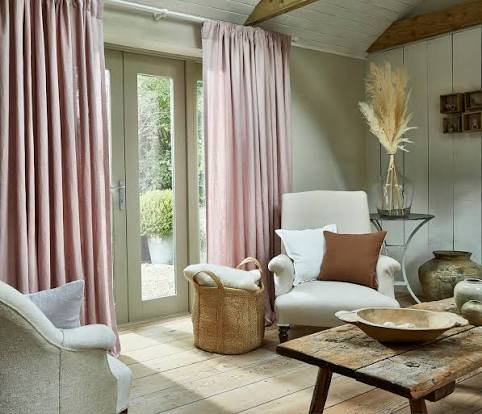
Quick Comparison: Cotton vs Linen vs Polyester Curtains
| Feature / Metric | Cotton Curtains | Linen Curtains | Polyester Curtains |
| Breathability & Airflow | High; natural fibers let warm air pass through freely. | Exceptional; ultra-airy and lightweight feel. | Low to Moderate; denser weaves trap heat in non-AC spaces. |
| Drape & Texture | Soft, clean, and crisp with structured folds. | Slubbed, textured, relaxed, and slinky look. | Smooth, consistent, and structured drape. |
| Light Filtering | Soft, diffused daylight filtering. | Breezy, gentle sunlight glow. | Varies; available from sheer to complete blackout. |
| Maintenance | Easy machine wash; needs mild ironing. | Gentle wash or dry cleaning; high-wrinkle charm. | Very easy machine wash; fast drying & wrinkle-free. |
| Durability & Fading | Good; prolonged direct sunlight causes fading over time. | Strong natural fibers; delicate under harsh UV rays. | High; highly resistant to UV fading, tearing, and wear. |
| Relative Cost | Mid-Range; affordable value for natural fabric. | Premium; higher investment cost per meter. | Budget-Friendly; cost-effective per window. |
What Makes a Curtain Fabric Suitable for a Particular Room?
Before zeroing in on a curtain fabric comparison, it helps to understand what role curtains play in each space. Different areas in your home present unique environmental conditions and functional requirements:
- Sunlight Exposure: South and west-facing windows bear the brunt of intense afternoon solar heat and harsh UV radiation. A light-filtering fabric prevents fading on indoor furniture while shielding against glare.
- Privacy Levels: Ground-floor living rooms and street-facing windows require opaque weaves during daytime and evening hours, whereas higher floors can enjoy semi-translucent weaves.
- Humidity & Dust Exposure: Kitchens, dining areas near balconies, and spaces close to main roads collect dust rapidly. High-moisture areas like bathrooms or coastal homes require quick-drying fabrics that resist dampness.
- Room Function: Bedrooms demand reliable light control for resting, living areas thrive on daylight diffusion, and home offices need non-glare sunlight management.
Cotton Curtains: Strengths, Limitations, and Ideal Uses
Cotton is a beloved home textile across millions of households. Pure cotton curtains strike a harmonious balance between casual comfort and refined elegance.
       [ Cotton Drapery Highlights ]
       ├── Natural, skin-friendly organic feel
       ├── Excellent daylight diffusion
       ├── Easy home maintenance (machine washable)
       └── Moderately susceptible to sun fading & shrinkage
Advantages of Cotton Window Treatments
- Natural Breathability: Cotton fibers allow air currents to move naturally, preventing rooms from feeling stuffy.
- Versatile Aesthetics: Available in crisp solids, block prints, and textured jacquards, cotton adapts seamlessly to modern, minimalist, or traditional decor themes.
- Soft Daylight Diffusion: Cotton filters harsh sunlight into a pleasing, soft glow without turning spaces dark or gloomy.
Potential Limitations
- Sun Fading: Long exposure to direct, unshaded sunlight can weaken natural cotton dyes over time.
- Shrinkage Risk: Unwashed natural cotton panels may shrink slightly during initial laundering cycles if washed in hot water.
Best Room Applications
Cotton panels excel in bedrooms, kids’ rooms, home offices, and living rooms where a warm, welcoming, and breathable atmosphere is desired.
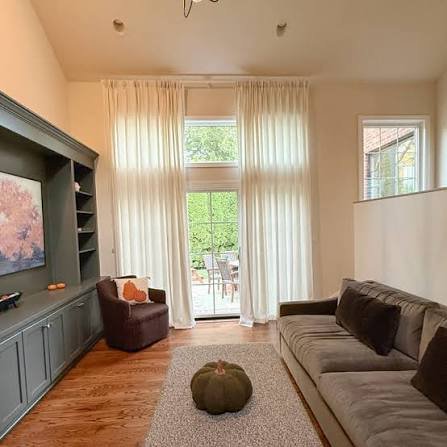
Linen Curtains: Texture, Drape, and Maintenance
If luxury had an organic texture, it would be linen. Derived from the flax plant, linen curtains bring an effortless, airy sophistication to interior decor.
       [ Linen Drapery Highlights ]
       ├── Distinctive slubbed texture & rich aesthetic
       ├── Breezy, lightweight drape with gentle movement
       ├── Cool air circulation for sunlit spaces
       └── Requires delicate cleaning or dry care
Aesthetic Appeal and Airflow Performance
- Distinctive Slubbed Texture: The natural slub irregularities of flax fibers create a rich visual depth that synthetic weaves cannot duplicate.
- Superior Ventilation: Linen features a open weave construction, making it one of the coolest fabrics available for sun-soaked spaces.
- Graceful Aging: Quality linen softens gracefully over time, retaining its organic structure for years when handled properly.
Living with Linen’s Maintenance Needs
- Natural Creasing: Linen wrinkles easily. However, interior designers consider these relaxed folds part of linen’s timeless appeal.
- Care Demands: Linen drapes often demand dry cleaning or gentle hand-washing cycles to prevent fiber stress and uneven dimensional shifting.
Best Room Applications
Linen works beautifully in formal living rooms, airy dining areas, and master suites where natural light and understated luxury take center stage.
Polyester Curtains: Practical Advantages and Trade-Offs
For sheer durability and low-fuss home care, polyester curtains remain an extraordinarily popular choice worldwide. Made from synthetic polymers, polyester offers incredible resilience at an attractive price point.
       [ Polyester Drapery Highlights ]
       ├── High resistance to fading, tearing, and creasing
       ├── Easy toss-in-the-wash routine
       ├── Highly cost-effective for whole-house setup
       └── Low breathability in un-air-conditioned spaces
Core Practical Benefits
- Wrinkle & Shrink Resistance: Polyester retains its shape and smooth appearance straight out of the washing machine with minimal to no ironing needed.
- UV and Color Resistance: Polyester holds pigment tightly, making it far less prone to fading under intense afternoon sun rays.
- Budget-Friendly Scalability: Outfitting a multi-bedroom home with polyester or poly-blend drapes is significantly lighter on the pocket compared to 100% natural fibers.
Considerations and Drawbacks
- Reduced Airflow: Dense polyester weaves do not allow air to pass as freely as cotton or linen, which can trap ambient warmth in non-air-conditioned spaces during summer.
- Static & Dust Attractiveness: Synthetic threads build static charge, attracting fine surface dust faster if left unwashed for extended periods.
Best Room Applications
Polyester is ideal for high-traffic areas, rental properties, moisture-prone spaces, dining rooms, and air-conditioned bedrooms.
Which Curtain Fabric Works Best for Indian Heat, Humidity, and Dust?
Managing indoor comfort across Indian climate conditions requires choosing a fabric that handles heavy sunlight, monsoon humidity, and everyday dust build-up effectively.
       [ Regional Climate Performance ]
       ├── Summer Heat:  Cotton & Linen win (high airflow)
       ├── Monsoon Humidity: Polyester wins (fast drying)
       └── Daily Dust: Cotton & Poly blends win (easy wash)
- Beating Summer Heat: During scorching summer months (April–July), 100% cotton and lightweight linen lead the pack. Their porous natural weave allows hot indoor air to disperse through the fabric rather than acting as an insulating heat wall.
- Handling Monsoon Dampness: High humidity during monsoon months can cause heavy natural fabrics to retain moisture. Polyester and poly-cotton blends shine here because synthetic fibers resist mildew growth and dry quickly.
- Managing Everyday Road Dust: Open-window ventilation brings in environmental dust. Machine-washable cottons and polyester blends handle frequent washing cycles without losing structural integrity.
Pro Tip for Indian Homes: A poly-cotton blend (e.g., 60% cotton, 40% polyester) offers an ideal middle ground. It provides the breathable touch and visual charm of natural cotton alongside the wrinkle resistance, strength, and quick-drying properties of polyester.
Blackout Lining vs. Face Fabric: What Is the Difference?
A common point of confusion when evaluating cotton vs linen vs polyester curtains is confusing the decorative face fabric with the functional blackout lining.
       ROOM SIDE (Decor)              WINDOW SIDE (Function)
 ┌───────────────────────────┐      ┌───────────────────────────┐
 │    Decorative Face Fabric │      │   Functional Blackout     │
 │  (Cotton / Linen / Poly)  │ ──── │   Lining (Poly Coated)    │
 └───────────────────────────┘      └───────────────────────────┘
- The Decorative Face Fabric: This is the visible layer facing your room interior. It provides color, pattern, texture, and aesthetic character (whether pure linen, soft cotton print, or patterned polyester).
- The Functional Blackout Lining: This is a separate acrylic- or poly-coated layer stitched or attached behind the main curtain panel. Its purpose is to block 90%–100% of incoming daylight, dampen outside street noise, and reflect solar heat away from window panes.
By pairing a natural face fabric (like cotton or linen) with a blackout liner, you can preserve the casual look of natural textiles indoors while achieving total room darkening for sleeping.
Care, Shrinkage, Fading, and Fabric Selection Checklist
To make sure your new window drapes stay looking fresh for years, keep these fabric care guidelines in mind:
Maintenance Rules at a Glance
- Cotton Care: Machine wash in cold water using gentle cycles. Steam iron while slightly damp to smooth out natural wrinkles easily.
- Linen Care: Use mild detergent on hand-wash settings or dry clean. Line dry away from direct scorching sunlight to avoid fabric stiffening.
- Polyester Care: Standard machine wash in warm or cold water. Tumble dry on low heat or line dry; virtually no ironing required.
Step-by-Step Selection Checklist
When buying window drapes, walk through this quick checklist to pick the best fabric for your space:
- Assess Sunlight Exposure: If the window faces direct west or south sunlight, choose polyester blends or use a protective backing lining behind natural fabrics.
- Determine Cleaning Frequency: If you plan to wash your curtains every 2–3 months due to local dust, stick to machine-washable cotton or polyester.
- Set Your Budget: Calculate costs per window—opt for polyester for budget-friendly whole-house coverage, cotton for balanced mid-tier value, and linen for statement rooms.
- Evaluate Room Purpose: Choose blackout-lined fabrics for bedrooms and light-filtering linens or airy cotton sheers for living and dining spaces.
Matching your choice to your room’s daylight levels, cleaning preferences, and functional needs ensures your window treatments stay beautiful, practical, and long-lasting.
See Also
- What Is the Best Fabric for Curtains | How to Choose | Interior Design Tips
- Curtain Fabric Types: Complete Guide to Choosing the Best Material
- Cotton vs Polyester Curtains: Which One Wins for Indian Homes?
- Panipat vs. Karur: A Guide to India’s Largest Home Furnishing Hubs
- Bed Cover vs Bedsheet vs Bedspread: What Is the Difference?
- Sourcing Jaipuri Cotton: A Buyer’s Guide to Authentic Block-Printed Textiles
