

We Indians love our tea. Whether it is a rich, aromatic ginger cutting chai in the morning, a classy afternoon high-tea party with friends, or a grand family dinner over the weekend, nothing completes an Indian gathering like a piping hot cup of tea or coffee. To welcome our guests properly, we lay out our finest, most beautiful cotton table linens—perhaps a gorgeous hand-printed Jaipuri block print, a detailed Lucknowi Chikankari cloth, or a premium heavy-spun Khadi tablecloth. Have you ever faced the question how to remove tea stains from cotton tablecloth
But as the laughter flows and the samosas are passed around, the ultimate hosting nightmare happens. A cup tips over, a spoon drips, or a stray splash of dark brown liquid puddles right in the center of your pristine white or brightly colored fabric. Your heart sinks. You instantly imagine that beautiful textile piece being permanently ruined by an ugly, dark stain.
If you are currently staring at a dark blotch on your favorite dining setup, take a deep breath. There is absolutely no need to panic or relegate your expensive linens to the rag pile. Because cotton is a durable, natural fiber, it responds incredibly well to gentle, strategic spot treatments.
In this comprehensive guide, we are going to walk you through exactly how to remove tea stains from cotton tablecloths quickly and safely. Using simple kitchen ingredients that you already have at home, we will show you how to vanish stubborn dark marks and restore your table linens to their original, flawless glory.
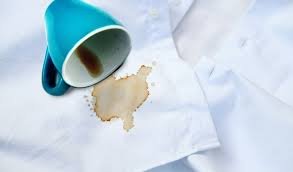
Act Fast: The Golden Rules of Fresh Liquid Stains
When it comes to liquid spills like tea, coffee, or even turmeric-heavy gravies, time is your absolute best friend. The longer a hot liquid sits on cotton fabric, the deeper it penetrates into the hollow core of the cotton fibers, turning a superficial spill into a chemically bonded, stubborn stain.
Before you grab any cleaning solutions, follow these immediate, non-negotiable golden rules the moment a spill occurs at your dining table:
- Blot, Never Rub: This is the golden rule of fabric care! When a spill happens, your immediate instinct is to grab a napkin and scrub vigorously. Stop right there! Rubbing forces the liquid deeper into the weave of the cotton cloth and spreads the stain outward, making the damaged area twice as large. Instead, take a clean, dry microfiber cloth or a thick piece of white paper towel and press it firmly over the puddle. Let the paper absorb the liquid upward.
- Keep it Wet: A dried stain is significantly harder to clean than a wet one. If you cannot wash the tablecloth immediately because your guests are still eating, dab a little plain, room-temperature water onto the blotted spot to keep the fibers damp. This prevents the dark plant tannins from drying and setting into the fabric.
- Avoid Hot Water Initially: While it sounds counterintuitive, never pour boiling or hot water directly onto a fresh tea or coffee stain. Heat cooks the organic proteins and tannins present in milk, sugar, and tea leaves, effectively “setting” the dye permanently into the cotton weave. Always start your troubleshooting journey with cold or room-temperature water.
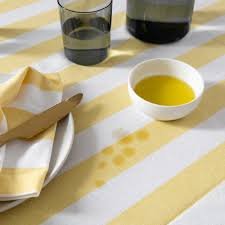
3 Home Remedies for Set-In Tea Stains
What happens if you didn’t notice the spill during the party, and you wake up the next morning to find a completely dried, dark brown ring on your beautiful linen? Don’t worry. These 3 highly effective household methods work wonders on stubborn, set-in blemishes without requiring harsh, industrial chemicals.
Method 1: The Lemon Juice & Salt Scrub
If you are dealing with a fresh or mildly dried stain on a white or light-colored tablecloth, look no further than your refrigerator. Lemon juice is a fantastic, completely natural bleaching agent, while common table salt acts as a gentle, abrasive absorbent.
- How to do it: Place the stained section of the tablecloth over a flat surface, placing an old plastic sheet or towel underneath to protect your table. Squeeze fresh lemon juice directly over the brown spot until it is completely saturated. Next, sprinkle a generous, thick layer of table salt over the wet juice.
- The Technique: Using the back of a spoon or your fingers, gently massage the salt into the wet fabric in a circular motion. Let this mixture sit undisturbed under the morning sun for about 30 to 45 minutes. The citric acid will naturally break down the dark tea tannins, while the salt draws the pigment out of the cotton fibers. Finish by rinsing the area thoroughly with cold water.
Method 2: White Vinegar Soak
For older, deeply embedded tea marks that have already survived a trip through the drying rack, plain white synthetic vinegar is an absolute lifesaver. Vinegar contains mild acetic acid, which breaks down the sticky compounds found in milk and sugar residues without harming organic textile threads.
- How to do it: In a bucket or a small clean basin, prepare a soaking solution by mixing 1 tablespoon of liquid dishwashing soap and 2 tablespoons of white vinegar into one liter of cold water.
- The Technique: Submerge the stained portion of your cotton cloth entirely into this solution. Let it soak peacefully for at least 30 minutes to an hour. Every 15 minutes, gently rub the stained fabric against itself between your knuckles to loosen up the deep fiber bonds. You will notice the water turning slightly cloudy as the dark brown pigment dissolves away. Rinse well with clean water.
Method 3: Liquid Detergent and Cold Water
If you are dealing with an intense coffee stain that contains a lot of milk fat or cream, you need a cleaning agent that specifically targets grease and oils alongside the organic plant pigments.
- How to do it: Take a high-quality liquid laundry detergent or even a gentle grease-cutting liquid dish soap. Apply a few drops of the concentrated liquid directly onto the dry stain.
- The Technique: Add just two drops of cold water to create a thick paste directly on the fabric. Using an old, soft-bristled toothbrush, gently brush the paste into the cotton weave using light, circular motions. Work from the outside of the stain toward the center so you don’t spread the color outward. Let the soap sit on the fabric for 15 minutes to dissolve the milk fats, then flush the spot from the backside under a running cold water tap. This pushes the stain out of the fabric matrix rather than driving it further in.
Fabric Care: Preserving the Colors of Printed Indian Tablecloths
While removing a stubborn spot is crucial, you must balance your cleaning efforts with proper fabric preservation. Traditional Indian home furnishing products often feature intricate hand-block prints, indigo vegetable dyes, or delicate gold leaf borders. If you clean them too aggressively, you risk bleaching out the gorgeous artisan designs.
Follow these protective guidelines to keep your patterned linens looking vibrant:
- Always Test the Patch First: Before applying lemon juice, vinegar, or laundry soap to a highly visible spot on your tablecloth, always perform a quick spot test on a hidden area, like the inside hem or an inconspicuous corner. Apply a drop of your cleaning mixture, wait five minutes, and dab it with a white cloth. If any color bleeds onto the white cloth, stop immediately and opt for a professional dry cleaner instead.
- Skip the Oxygen Bleach on Natural Dyes: Modern oxygen-based stain removers work wonders on plain white hotel linens, but they can completely ruin traditional vegetable dyes like Ajrakh, Dabu, or authentic Indigo prints. Stick to localized, gentle home remedies rather than soaking the entire printed textile item in strong chemical solutions.
- Line Dry in the Shade: Once your stain is successfully removed and you have given the tablecloth a final gentle wash, hang it up to dry outside. However, turn printed or colored tablecloths completely inside out and hang them in a breezy, shaded area. Direct, harsh afternoon sunlight will fade the rich block prints and age the organic cotton threads prematurely.
Summary
Mastering how to remove tea stains from cotton tablecloths doesn’t require expensive, industrial cleaning products. By acting quickly, dabbing instead of rubbing, and utilizing the natural acidic power of kitchen essentials like fresh lemon juice, white vinegar, and mild liquid soaps, you can safely eliminate even the most intimidating chai or coffee stains. With these simple tips up your sleeve, you can confidently lay out your most precious Indian handloom linens at your next dinner gathering without ever worrying about accidental spills again!
See Also
Best Way to Remove Tea Stains from Clothes
How to Clean Mold and Mildew from a Coir Door Mat Without Ruining It
