

When you buy a coir mat online or from a local home store, it is easy to pick a design you love and assume it will fit your entrance just fine. But then you bring it home, unpack it, and place it at your front door—only to realize two annoying things:
- It looks tiny. It sits like a small postage stamp in front of a wide teakwood main door.
- The door gets stuck. Every time you try to open or close the entrance door, the bottom edge drags over the mat or jams against it completely.
Finding the right doormat size for main door entrances in India isn’t just about picking a design that matches your decor. Indian doorways range widely—from standard single doors in modern apartment complexes to spacious double doors in traditional standalone houses and villas. On top of that, door clearances vary depending on whether you have marble, granite, wooden flooring, or tiled thresholds.
In this ultimate coir doormat size guide, we will walk you through exact dimensions, thickness considerations, door clearance hacks, and placement tips so you can pick the perfect natural fiber mat for your entrance every single time.
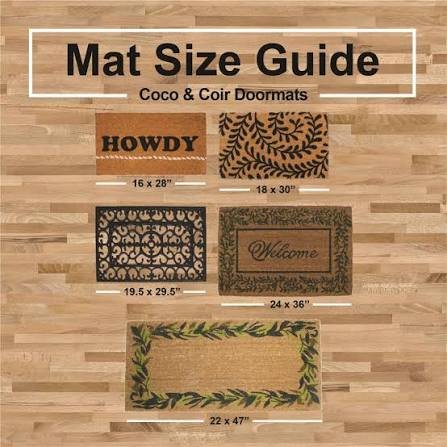
Quick Answer: What Size Should a Doormat Be?
If you are looking for a quick rule of thumb, here is the basic design formula used by interior architects and home decorators:
The ideal doormat width should be at least 80% to 100% of your doorframe’s overall width, and its thickness should leave at least 0.25 inches (6 mm) of clearance beneath the swinging door.
For a standard main door in India (which is usually around 3 feet or 36 inches wide), a 45 x 75 cm (18 x 30 inches) or 50 x 80 cm (20 x 32 inches) coir mat provides proper proportion, comfortable stepping space for both feet, and effective dirt trapping.
Standard Coir Mat Size Chart for Indian Homes
To make your selection simple, here is a breakdown of standard entrance dimensions across Indian residential and commercial spaces:
| Entrance Type | Typical Doorway Width | Recommended Mat Size (cm) | Recommended Mat Size (inches) | Recommended Thickness |
| Apartment Main Door (Single) | 32″ – 36″ (80 – 90 cm) | 45 x 75 cm / 50 x 80 cm | 18″ x 30″ / 20″ x 32″ | 15 mm – 17 mm |
| Compact Apartment / Secondary Door | 28″ – 30″ (70 – 75 cm) | 40 x 60 cm | 16″ x 24″ | 15 mm |
| Wide Single Door / Villa Main Entrance | 38″ – 42″ (95 – 105 cm) | 60 x 90 cm / 60 x 120 cm | 24″ x 36″ / 24″ x 48″ | 17 mm – 22 mm |
| Double Entrance Doors (Pooja/Main) | 60″ – 72″ (150 – 180 cm) | 75 x 120 cm / 90 x 150 cm | 30″ x 48″ / 36″ x 60″ | 17 mm – 22 mm |
| Balcony / Utility / Kitchen Door | 28″ – 32″ (70 – 80 cm) | 40 x 60 cm / 45 x 70 cm | 16″ x 24″ / 18″ x 28″ | 10 mm – 15 mm (PVC back) |
| Commercial / Office Entrance | 72″+ (180 cm+) | 90 x 150 cm / 120 x 180 cm | 36″ x 60″ / 48″ x 72″ | 17 mm – 22 mm (Heavy Duty) |
Best Doormat Dimensions for Different Indian Door Types
Every doorway in an Indian home serves a distinct purpose, sees varying foot traffic, and features different spatial surroundings. Choosing the right proportions ensures your mat is both functional and visually appealing.
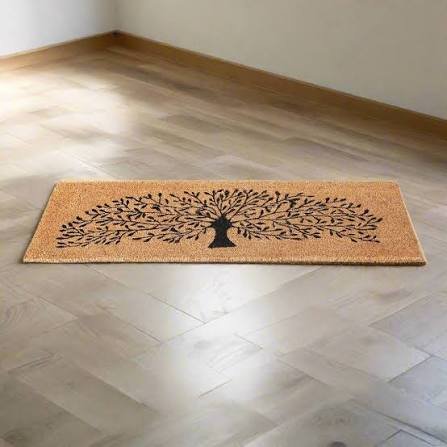
1. Best Size for a Single Apartment Door
Most high-rise apartments in cities like Mumbai, Bengaluru, Delhi NCR, and Hyderabad feature a single main door with an overall frame width of 3 feet (36 inches) or slightly less.
- Ideal Size: 45 x 75 cm (18 x 30 inches) is the universal sweet spot for standard single doors.
- Why it Works: It spans approximately 80% of the opening, giving anyone stepping up to your doorway enough room to comfortably wipe both feet without feeling constrained.
- Proportion Tip: If your entry corridor is spacious, upgrading to a 50 x 80 cm (20 x 32 inches) coir mat creates a slightly richer, more welcoming presence at your entryway.
2. Best Size for a Wide or Double Entrance
Grand entryways with teak double doors, carved wooden frames, or wider single doors (40 inches or broader) require substantial mats. Placing a tiny standard mat in front of a wide entrance distorts the scale of your foyer and looks unproportioned.
- Ideal Size: 60 x 120 cm (24 x 48 inches) or 75 x 120 cm (30 x 48 inches).
- Why it Works: A double door entrance usually measures anywhere from 5 to 6 feet wide. A 4-foot long coir mat anchors the entrance visually, making the grand entryway look balanced while ensuring guests step on the mat regardless of which door panel opens first.
Step-by-Step Measuring Techniques for Proper Doorway Proportion
Avoid guesswork by taking two quick measurements before purchasing your coir mat: doorway width and bottom clearance.
How to Measure Doorway Width Correctly
- Measure Frame to Frame: Take a measuring tape and measure the exterior width of your door casing (from the outer edge of the left frame to the outer edge of the right frame).
- Apply the 80% Rule: Multiply the overall door width by
0.80. For example, if your entryway spans 36 inches,36 x 0.80 = 28.8 inches. This tells you your minimum mat width should be around 29–30 inches. - Check Side Space: Ensure there are no permanent obstacles—such as shoe racks, potted plants, or umbrella stands—blocking the area where the mat will sit flat.
How to Check Clearance Below the Swinging Door
Door clearance is the vertical gap between the bottom of your closed door and the finished floor level (tile, marble, or wood).
   +---------------------------------------+
   |             SWINGING DOOR             |
   +---------------------------------------+
                       │
   =========== VERTICAL CLEARANCE ===========  <-- Must be > Mat Thickness + 6mm
                       │
   =========================================
   |             COIR DOORMAT              |
   =========================================
                       │
   -----------------------------------------  <-- Floor Level (Tile/Marble)
To accurately check clearance before buying:
- Open the door fully across the entire arc where it swings.
- Place a hardbound book or stack of coins on the floor right along the path of the swinging door.
- Slowly swing the door over it. If the bottom edge of the door hits or pushes the object, your available clearance is less than the height of that object.
- Measure the gap: Use a ruler or measuring tape to record the exact millimeter space between the floor surface and the bottom of the door.
Rule of Thumb: Your doormat thickness must be at least 6 mm (1/4 inch) lower than your total vertical door clearance to prevent catching, dragging, or bunching up.
Coir Mat Thickness Explained: Performance vs. Clearance
The natural coconut fiber (coir) tufts embedded in a doormat act like tiny stiff brushes that scrape coarse dirt, mud, and debris from shoe soles. However, coir mats come in several distinct thickness profiles.
THIN PROFILE (10-12 mm)   :  [==============]  <-- Low Clearance / Flush Doors
STANDARD PROFILE (15-17 mm):  [====================]  <-- Most Indian Main Doors
THICK PROFILE (22-30 mm)  :  [==========================] <-- Heavy Scraping / Sunken Wells
1. Thin Coir Mats (10 mm to 12 mm)
- Construction: Usually made with a thin PVC/latex backing and shorter, high-density cut pile coir yarns.
- Best Uses: Indoor foyers, covered apartment corridors, and entrances with extremely tight door clearances.
- Pros: Fits under almost every door; light and easy to shake out.
- Cons: Holds less trapped dirt over extended periods compared to deeper pile options.
2. Standard Coir Mats (15 mm to 17 mm)
- Construction: The classic standard coir mat thickness choice for residential homes worldwide. Built with a solid vinyl/PVC base and resilient 15 mm tufted fibers.
- Best Uses: Main entrance doors, balcony exits, and backdoors.
- Pros: Delivers an optimal balance of deep dirt scraping, long fiber durability, and clearance compatibility for standard Indian door frames.
- Cons: Requires checking bottom door clearance on doors with fitted draft stoppers or rubber weather sweeps.
3. Thick & Extra-Thick Coir Mats (22 mm to 30 mm+)
- Construction: Heavy-duty traditional woven coir mats with natural coir-braided edges or ultra-thick tufted piles.
- Best Uses: Independent houses, farmhouses, garden entrances, and sunken mat wells (recessed floor entry cavities).
- Pros: Extremely durable, absorbs heavy amounts of outdoor mud, and offers a traditional look.
- Cons: Will block most standard inward-swinging doors unless placed in a recessed mat well or kept entirely outdoors beyond the door swing path.
Comparing Thin vs. Thick Natural Coir Entrance Mats
| Feature | Thin Coir Mats (10–12 mm) | Standard Coir Mats (15–17 mm) | Thick Coir Mats (22–30 mm) |
| Scraping Power | Moderate | High | Excellent |
| Dirt Holding Capacity | Low to Medium | High | Very High |
| Door Clearance Requirement | Low (>15 mm gap) | Medium (>22 mm gap) | High (>35 mm gap or outdoors) |
| Ideal Placement | Apartment Hallways, Indoors | Main Covered Doors, Balconies | Farmhouses, Sunken Wells, Gates |
| Backing Type | Rubber / Vinyl (PVC) | PVC / Natural Rubber | Woven Coir / Heavy Rubber |
Placement Strategies: Indoor, Covered Outdoor, and Exposed Outdoor
Where you place your coir mat plays a massive role in selecting the right material, size, and backing type.
       EXPOSED OUTDOOR              COVERED OUTDOOR              INDOOR FOYER
   +----------------------+     +----------------------+     +----------------------+
   | Heavy Rain & Sunlight|     | Sheltered Corridor   |     | Clean / Low Moisture |
   | Use: Open Rubber Coir|     | Use: PVC Coir Mat    |     | Use: Decorative Coir |
   +----------------------+     +----------------------+     +----------------------+
1. Covered Outdoor Entrances (Apartment Corridors & Porches)
This is the most common placement scenario for modern Indian urban homes. The mat sits outside the front door but remains protected from direct downpours by a corridor roof or porch overhang.
- Recommended Type: Standard 15 mm PVC-backed coir mat.
- Why: The PVC backing holds the coir fibers tightly in place and prevents loose dirt from dropping onto your clean hallway tiles.
2. Fully Exposed Outdoor Entrances (Gate, Garden & Uncovered Verandahs)
If your entrance receives direct rain or continuous morning sunlight, standard PVC-backed coir mats can trap water underneath. Rainwater gets trapped in the pile, leading to extended drying times and eventual fiber degradation.
- Recommended Type: Wire-bound coir mats, rubber-and-coir combination mats, or open-backed woven coir mats.
- Why: Water drains freely through open-backed or rubber-molded designs, allowing the coir fibers to dry quickly in natural air and sunlight.
3. Indoor Foyers & Vestibules
If you prefer keeping your doormat inside the threshold:
- Recommended Type: 10 mm to 15 mm anti-slip PVC-backed coir mat.
- Why: Keeps the mat anchored firmly on polished marble, vitrified tiles, or wooden flooring without sliding when stepped on.
Choosing the Right Mat Backing According to Flooring Material
Selecting the appropriate backing prevents floor discoloration, scratching, and unwanted mat slippage.
+---------------------+-----------------------+----------------------------------+
| Flooring Material   | Ideal Backing Type    | Key Benefit                      |
+---------------------+-----------------------+----------------------------------+
| Vitrified Tiles     | Rubber / Anti-Slip PVC| Prevents dangerous skidding      |
| Polished Marble     | High-Density PVC      | Prevents scratching & shifting   |
| Granite Entrance    | Heavy Duty PVC Base   | Cushions & grips smooth surface  |
| Wooden Flooring     | Breathable Natural    | Avoids trapping floor moisture   |
+---------------------+-----------------------+----------------------------------+
- Vitrified & Ceramic Tile Flooring: Smooth tiles offer little traction. Choose a PVC-backed coir mat with anti-slip textured patterns on the underside to prevent the mat from shooting out when someone wipes their feet quickly.
- Polished Marble & Granite: Natural stone floors can scratch if raw coir fibers rub against them repeatedly. A solid vinyl/PVC border and backing shields your natural stone surface from abrasive grit.
- Hardwood or Laminated Flooring: Avoid low-grade rubber backings that can react with wood floor polishes over time. Opt for high-density PVC backings or natural unbacked woven coir placed over a dedicated non-slip underlayment pad.
Frequently Asked Questions
What is the standard doormat size for main door entrances in India?
The standard size for a single main door in India is 45 x 75 cm (18 x 30 inches) or 50 x 80 cm (20 x 32 inches). These dimensions fit standard 3-foot doorframes smoothly while offering sufficient surface area for scraping shoes.
How do I stop my door from getting stuck on my coir mat?
Check your door’s bottom vertical clearance before buying. Measure the gap between the floor and the bottom edge of the swinging door. Ensure your coir mat thickness is at least 6 mm thinner than that gap. If clearance is limited, choose a slim 10 mm to 12 mm PVC-backed coir mat.
Which is better: a thick coir mat or a thin coir mat?
Thick coir mats (22 mm to 30 mm) scrape off heavy mud and hold more dirt, making them ideal for independent houses and outdoor gates. Thin coir mats (10 mm to 15 mm) are better suited for urban apartments because they fit easily under low-clearance doors and are easier to clean.
Can I cut a PVC-backed coir mat to fit a custom size?
Yes. PVC-backed coir mats can be trimmed at home using a heavy-duty utility knife (box cutter) and a steel straight-edge ruler. Measure your area, flip the mat face-down, draw your cut lines directly onto the PVC backing, and carefully score through the vinyl layer.
How often should I replace my coir entrance mat?
A quality coir mat placed in a residential setting typically lasts 12 to 24 months, depending on daily foot traffic and weather exposure. Replace your mat when the natural fibers wear down flat, lose their scraping stiffness, or when the backing shows visible cracking.
See Also
Standard Doormat Width & Length Size Chart With Rug Shape Measurements
How to Cut & Install Coir Matting | A Simple Step by Step Guide
How to Fix a Fraying Coir Mat: Easy Ways to Extend Its Life
PVC Backed vs. Traditional Woven Coir Mats: What’s the Difference?
