

The best fabric for cushion covers depends on frequency of use, cleaning requirements, texture, climate, and whether the cushion is decorative or intended for everyday seating. For daily sofa use in Indian homes, breathable heavy cotton or durable polyester blends work best. If you want an airy, rustic look for moderate use, pure linen is unmatched, while rich velvet adds instant festive luxury to formal living rooms and bedrooms.
Walk into any home decor store in India—or browse online—and you will find thousands of cushion covers in every colour and pattern imaginable. Yet, buying cushion covers based solely on print or colour often leads to disappointment within a few months. Colours fade after two washes in harsh sunlight, zippers pop open when guests lean back, or synthetic fabrics feel sticky during humid Indian summers (Cushion cover buying guide for retailers: fabrics, constructions and sizes).
Because cushion covers sit right where we rest our backs, arms, and heads every day, the textile matters just as much as the design. Let us break down how to pick the right material so your cushions look fresh, feel comfortable in Indian weather, and last for years.
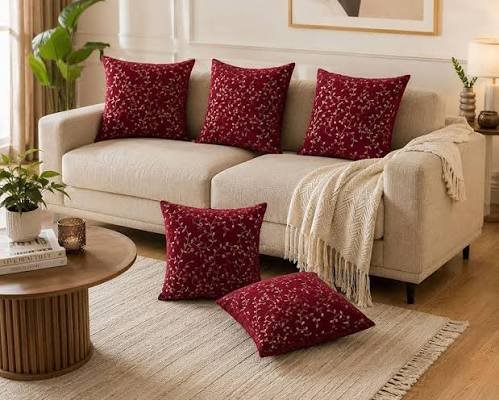
Which Fabric Is Best for Cushion Covers?
Choosing the best fabric for cushion covers comes down to matching the material’s natural strengths with how your family actually uses the room. There is no single “one-size-fits-all” textile, because a formal drawing-room cushion has a completely different job than a cushion tossed onto a busy family sofa or a balcony swing.
Here is a quick look at the top four upholstery and soft-furnishing textiles used in India:
- Cotton (The Everyday All-Rounder): Cotton is the undisputed favourite across Indian households. It is breathable, soft on the skin, hypoallergenic, and handles frequent machine washes without fuss. From crisp handloom weaves and heavy canvas to soft mulmul and slub cotton, it adapts effortlessly to summer heat and monsoon humidity.
- Linen (The Breezy Luxury Pick): Made from flax fibres, linen brings an effortless, organic elegance to a room. It feels cool to the touch, gets softer with every wash, and absorbs moisture well. However, pure linen wrinkles easily and costs more than cotton, making it better suited for low-to-moderate traffic spaces or blended with cotton for daily use.
- Velvet (The Festive & Statement Choice): Nothing transforms a plain sofa faster than plush velvet. Modern cotton-velvet and micro-polyester velvets offer a deep, lustrous sheen that catches evening light beautifully. While velvet feels cosy in air-conditioned rooms and winter months, it traps heat in peak summer and requires gentler care.
- Polyester & Blends (The Heavy-Duty Performer): Pure polyester and poly-cotton blends are built for durability. They resist stains, hold vibrant digital prints without fading, rarely shrink, and do not wrinkle. While 100% cheap polyester can feel warm and static-prone in humid coastal cities like Mumbai or Chennai, modern microfibre and poly-linen blends offer a great balance of softness and toughness.
Cotton, Linen, Velvet and Polyester Comparison Table
Before diving deeper into weaves and finishes, use this side-by-side comparison to see how each cushion cover material performs across durability, comfort in Indian weather, and daily maintenance.
| Feature / Parameter | Cotton | Linen | Velvet (Cotton / Poly) | Polyester & Blends |
| Breathability in Indian Climate | High (ideal for hot & humid weather) | Very High (naturally cooling) | Low to Moderate (best in AC / winter) | Low to Moderate (traps heat if 100% poly) |
| Durability & Abrasion Resistance | High (especially duck canvas & drill) | Moderate to High (strong fibres, prone to creasing) | Moderate (pile can crush over time) | Very High (resists tearing and pilling) |
| Stain Resistance | Low to Moderate (absorbs spills quickly) | Low (absorbs liquids fast) | Low (liquids mat the pile) | High (repels water-based spills easily) |
| Wrinkle Tendency | Moderate (needs light ironing) | High (natural, lived-in crumple) | Very Low | Very Low (virtually wrinkle-free) |
| Wash & Care Routine | Easy machine wash | Gentle wash / dry clean recommended | Dry clean or delicate cold hand wash | Easy machine wash, quick drying |
| Pet & Kid Friendliness | Good (easy to wash off dirt) | Fair (claws can snag loose weaves) | Poor (traps pet hair & shows scratches) | Excellent (resists snags, stains & fur) |
| Average Price Range (India) | ₹200 – ₹600 per cover | ₹500 – ₹1,500+ per cover | ₹350 – ₹1,200 per cover | ₹150 – ₹500 per cover |
| Best Overall Use | Daily family sofas, bedrooms | Formal living rooms, summer styling | Festive decor, accent chairs, bedrooms | Outdoor seating, dining chairs, kid zones |
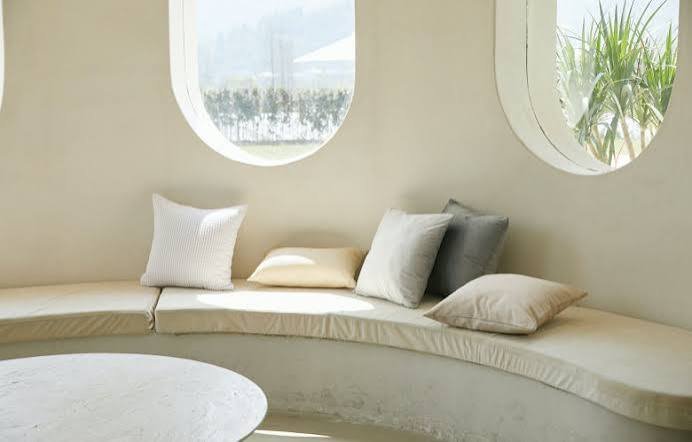
Best Fabrics for Sofas, Outdoor Seating and Decorative Cushions
Different corners of your home put different kinds of wear and tear on soft furnishings. Selecting the best fabric for sofa cushion covers is very different from dressing up a sunlit balcony or a guest bed.
1. Everyday Living Room Sofas
Your main sofa cushions take a beating. People lean on them, kids build forts with them, and chai or snack spills are bound to happen sooner or later.
- Top Pick: Heavyweight cotton (like cotton canvas, twill, or thick handloom) or a 60:40 cotton-polyester blend.
- Why it works: Heavy cotton feels natural against bare arms during hot afternoons, while a touch of polyester adds tear strength and prevents excessive wrinkling. Look for mid-tone colours or subtle woven textures that hide everyday dust and minor lint between washes.
2. Balcony, Patio and Outdoor Seating
Indian balconies and verandahs face intense UV rays, sudden monsoon showers, and high levels of road dust. Standard indoor fabrics will fade to a chalky shade within one summer.
- Top Pick: Solution-dyed polyester, acrylic canvas, or heavy water-repellent poly-canvas.
- Why it works: Synthetic outdoor weaves dry quickly after a rain shower, resist mildew in damp weather, and lock colour pigments deep inside the fibre so the sun cannot bleach them out. If you prefer a natural look near a semi-covered verandah, pair synthetic outdoor cushions with natural floor coverings like handwoven coir mats for an earthy, weather-tough patio setup.
3. Decorative and Festive Accent Cushions
Accent cushions on a neutral sofa, diwan, or bed are meant to bring colour, texture, and visual depth rather than serve as heavy-duty backrests.
- Top Pick: Silk-cotton blends (like Chanderi or Banarasi brocade), crushed or plain velvet, and pure textured linen.
- Why it works: Because these cushions are moved aside when someone sits down, you can prioritize visual richness over washability. Mixing two velvet cushions with two textured linen or embroidered cotton cushions creates a designer, layered look without compromising comfort.
4. Kids’ Rooms and Pet-Friendly Homes
If you have toddlers with sketch pens or a dog that loves napping on the couch, delicate weaves will test your patience.
- Top Pick: Tightly woven microfibre polyester or pre-shrunk cotton drill.
- Why it works: Tightly woven fabrics have no loose threads for pet claws to snag, and pet hair brushes right off smooth microfibre instead of weaving itself into the cloth.
Woven, Printed and Embroidered Finishes: How They Differ
Once you narrow down the best fabric for cushion covers, the next decision is surface styling. How a pattern is applied to the cloth directly affects its lifespan, feel, and washing routine.
Yarn-Dyed Woven Fabrics
In woven designs—such as stripes, checks, ikat, jacquard, or herringbone—the threads are dyed before being woven on the loom.
- Pros: The colour goes all the way through the yarn, making it far more resistant to fading and wear. Woven patterns add tactile depth and feel substantial in the hand.
- Cons: Loose weaves (like open-weave slub or bouclé) can snag on sharp buttons, jewellery, or pet nails.
Printed Fabrics (Screen, Block & Digital)
Printed cushion covers feature designs stamped or digitally sprayed onto the surface of a plain base cloth.
- Block & Screen Printing: Traditional Indian hand-block prints (like Bagru or Sanganeri on cotton) offer artisanal charm. Because natural or pigment dyes sit on the surface, wash them inside-out in cold water to preserve crispness.
- Digital Printing: Common on polyester velvet and cotton satin, digital printing delivers sharp, photographic florals and intricate motifs. Quality varies wildly—cheap pigment prints can crack or feel stiff, whereas reactive digital prints stay soft and breathable.
Embroidered and Textured Finishes
Embroidery, crewel work, tufting, and applique turn a simple cushion into a statement piece.
- Pros: Adds 3D texture that instantly elevates plain sofas and solid-coloured bedding.
- Cons: Raised threads, mirrors, or zari work can feel scratchy if you lean directly against them. Keep heavily embroidered covers for bolster pillows or front-row decorative cushions, and never toss them into a standard spin cycle—always turn them inside out and use a mesh laundry bag or gentle hand wash.
How to Select Fabric by Weave, Abrasion Resistance and Colourfastness
Shopping online for cushion covers can be tricky because you cannot touch the fabric before buying. Paying attention to three technical textile factors will save you from thin, flimsy covers that wear out early.
1. Fabric Weight (GSM) and Weave Tightness
GSM stands for Grams per Square Meter, which tells you how thick and dense a fabric is:
- Below 150 GSM: Too thin for cushion covers. The inner pillow pad will show through, and seams will pull apart quickly.
- 180 – 250 GSM: The sweet spot for everyday cotton and linen cushion covers. It drapes well, feels sturdy, and holds its shape without feeling stiff.
- 280+ GSM: Heavy upholstery-grade canvas, jacquard, or plush velvet. Ideal for large floor cushions (24×24 inches) and high-traffic sofas.
Quick tip: If buying in a physical store, hold the fabric up to a tube light or window. If you see lots of pinpricks of light passing through the threads, the weave is too loose for everyday sofa use.
2. Abrasion Resistance (Rub Count)
In the textile industry, durability is measured using the Martindale Rub Test, which checks how many times a fabric can be rubbed before showing wear or pilling:
- 10,000 – 15,000 rubs: Light decorative use (bedroom accent pillows, formal seating).
- 20,000 – 30,000 rubs: Heavy domestic use (ideal for your primary living room sofa).
- 35,000+ rubs: Commercial-grade toughness (great for window seats, benches, and homes with pets).
3. Colourfastness to Sunlight and Washing
Indian homes get plenty of bright natural sunlight, and water hardness varies significantly from city to city. Look for product descriptions that explicitly mention “azo-free vat dyes” or “colourfast” finishes. Darker shades like indigo, maroon, emerald green, and mustard are notorious for bleeding dye during the first wash. Pre-washed or yarn-dyed fabrics generally hold their colour much better than cheap surface-dyed covers.
Zippers, Seams, Shrinkage and Washing Instructions
Even the best fabric for cushion covers will fail if the stitching and hardware are poorly made. Before clicking “Buy Now,” inspect the construction details carefully.
Zippers and Closures
- Concealed (Invisible) Zippers: These sit tucked neatly inside the bottom seam or along the back flap so you never see or feel the zipper teeth. Always check that the zipper opening spans at least 80% of the cushion width; a tiny zipper makes stuffing a plump insert a wrestling match and often rips at the corners.
- Envelope Closures: Overlapping fabric flaps on the back with no metal or plastic hardware. They are completely safe for washing machines and toddlers, though very plump inserts can sometimes peek through the gap.
- Button or Tie Closures: Charming on rustic linen or handloom cotton covers, especially for bedroom pillows where you do not lean against hard buttons.
Seam Finishing and Piping
Turn a cushion cover inside out to check the stitching. Raw, unfinished edges will fray and unravel after two or three washes. Look for overlocked (serged) seams with at least a half-inch seam allowance. If you love structured, tailored edges, choose covers with corded piping along the borders—it reinforces the seams and helps square cushions keep sharp, crisp corners.
Shrinkage and Indian Laundry Care
Natural fibres like pure cotton and linen naturally shrink by 3% to 6% after their first wash unless they have been pre-shrunk (sanforized) at the mill.
- First-Wash Rule: Wash dark cotton or handloom covers separately in cold water with a tablespoon of rock salt or mild liquid detergent to set the dye.
- Drying: Always dry cushion covers inside-out in the shade. Direct afternoon Indian sunlight acts like bleach on wet natural fibres, fading bright colours within weeks.
- Velvet & Embroidery: Never wring velvet or embroidered covers. Gently press out water in a towel and lay them flat to air-dry, then lightly steam from the reverse side to restore the plush pile.
How to Measure a Cushion Insert Before Buying a Cover
Buying the right cushion cover fabric is only half the battle—getting the size right is what gives your sofa that plump, magazine-worthy finish instead of a saggy, deflated look.
Follow this simple three-step rule when measuring and pairing inserts with covers:
- Measure Seam-to-Seam: Lay your existing cushion insert flat on a table and measure straight across from seam to seam (not around the curve) for both width and height. Standard Indian cushion sizes are 12×12 inches, 16×16 inches (the most common sofa size), 18×18 inches, and 24×24 inches for large floor cushions or sofa backs.
- Apply the “Size Down” Rule for Plumpness: For standard square cushions (16×16 or 18×18 inches), buy a cover that is 1 to 2 inches smaller than the insert. For example, stuff an 18×18-inch microfibre or feather insert into a 16×16-inch cover. This pushes filling right into the four corners so the cushion looks full and stands upright without slouching.
- Adjust for Thick Fabrics: If you are buying a stiff, heavyweight fabric like thick jacquard, heavy canvas, or heavily beaded brocade that has zero stretch, stick to the exact same size (e.g., 16×16 insert for a 16×16 cover) so you do not put excessive stress on the zipper seams.
Frequently Asked Questions
Which fabric is best for cushion covers in summer in India? Pure cotton (especially handloom cotton, mulmul, and cotton-linen blends) is the best choice for Indian summers. It allows air to circulate, absorbs moisture, and stays cool against the skin even during hot, humid afternoons.
Is velvet good for everyday sofa cushions? Cotton-velvet and high-GSM micro-velvet are durable enough for daily living rooms, especially in air-conditioned homes. However, velvet attracts lint and pet hair more easily than cotton or polyester, and its pile can flatten over time in high-use spots.
How do I stop my cotton cushion covers from fading? Always buy pre-washed or yarn-dyed cotton covers, wash them inside-out in cold water using a gentle liquid detergent, and dry them in the shade rather than direct midday sunlight.
Should cushion covers be bigger or smaller than the insert? Your cushion cover should be 1 to 2 inches smaller than the inner filler pad for standard 16×16 or 18×18-inch cushions. Using a slightly larger insert ensures the corners stay plump and prevents the cover from looking saggy.
Bringing It All Together for Your Home
Choosing the best fabric for cushion covers becomes effortless once you balance comfort, climate, and daily wear. Stick to breathable, high-GSM cotton or sturdy poly-cotton blends for the everyday family sofa, reserve pure linen and plush velvet for bedrooms and formal seating, and rely on weather-resistant polyester for sunny balconies. Check the GSM, inspect the zipper length, and size up your inner cushion pad—and your living space will look effortlessly put together for years to come.
See Also
- Best Cushion Cover Fabrics for Indian Homes: Diwali Styling Ideas
- Cushion Cover Guide: Materials, Sizes, and Styling for Indian Homes
- 18 No Fail Pillow Combos
- Cotton vs Linen vs Polyester Curtains: Which Fabric Should You Choose?
- Bed Cover vs Bedsheet vs Bedspread: What Is the Difference?
- Mixing Old & New: How to Style Traditional Indian Bed Covers in Modern Bedrooms
- Cushion Cover Ideas | Decorative Throw Pillows
