

Walk into any Indian household during morning cleaning hours, and you will witness a familiar ritual. The fans are switched off, the pillows are tossed aside, and a pristine, freshly laundered piece of fabric is snapped dramatically into the air before being neatly tucked under the mattress. We take immense pride in our bedrooms. After a long, exhausting day of dealing with chaotic traffic, endless work meetings, or stressful household chores, our bedroom serves as our ultimate personal sanctuary—a cozy, beautiful space to unwind and sleep peacefully. Do we then think of bed sheet vs bed cover ?
But when it comes to buying the right textiles to dress our mattresses, things can get surprisingly confusing. If you scroll through modern Indian home furnishing websites or step inside a retail showroom, you will be bombarded with a massive vocabulary of terms: flat sheets, fitted sheets, bed covers, bedspreads, quilts, dohars, and comforters.
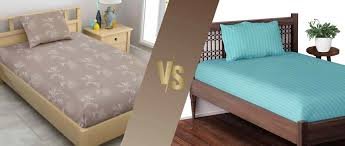
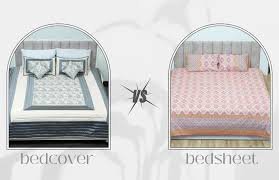
The most common point of confusion for most of us is understanding the difference between a bed sheet vs bed cover. Aren’t they essentially the same thing? Don’t they both just lay flat over the mattress?
The short answer is: No, they are fundamentally different products built for completely different purposes! While one is designed for your physical skin comfort, the other is an architectural shield meant for bedroom aesthetics and mattress protection.
If you have been using these two terms interchangeably—or worse, sleeping directly under a heavy decorative cover—this comprehensive guide is for you. Let’s break down the definitions, materials, and traditional heritage crafts behind Indian bed linens so you can dress your mattress perfectly.

What is an Indian Bed Sheet?
To put it in the simplest terms possible, an Indian bed sheet is your direct comfort layer. It is the piece of fabric that makes direct, intimate contact with your skin for six to eight hours every single night. Because of this next-to-skin usage, a proper bed sheet prioritizes breathability, smoothness, softness, and thermoregulation.
The Focus on Fabric and Breathability
Because the Indian climate ranges from scorching dry summers to intense, sticky monsoons, the material of your bed sheet matters immensely. The undisputed king of Indian bedrooms is 100% pure cotton. Cotton allows air to circulate freely, absorbing body sweat and keeping you cool during warm nights.
When shopping for sheets, you will often hear the term thread count (TC). This refers to the number of horizontal and vertical threads woven into one square inch of fabric. For everyday Indian household use, a thread count between 144 TC and 300 TC is absolutely ideal—it is lightweight, breathes beautifully, and can withstand hundreds of washes in a standard household washing machine.
Traditional Indian Masterpieces
In our country, a bed sheet is rarely just a plain piece of white utility cloth. It is a canvas for centuries-old heritage artwork. Some of the most beloved varieties include:
- Jaipuri Block Prints: Handcrafted in Rajasthan, these sheets feature gorgeous geometric or floral patterns stamped by hand using traditional wooden blocks and natural vegetable dyes. They are thin, incredibly soft, and bring an instant ethnic warmth to any room.
- Sanganeri and Bagru Linens: Famed for their detailed borders and vibrant color schemes, these breathable cotton sheets are perfect for hot tropical summers.
- Glazed Cotton and Percale Sheets: Woven tightly to give a smooth, crisp, and slightly cool feel against the body, making them a popular choice for air-conditioned modern bedrooms.
What is an Indian Bed Cover?
If a bed sheet is the comfortable underwear of your mattress, an Indian bed cover is the sharply tailored premium jacket that goes on top. A bed cover is a heavy, thick, decorative textile layer designed specifically to drape over your entire bed setup during the daytime.
Purpose, Thickness, and Protection
The primary job of a bed cover is protection and presentation. When you leave for office or school, your bed sits exposed to flying household dust, pet hair, accidental coffee spills, and the general wear-and-tear of kids jumping on the mattress. A bed cover acts as a thick shield, keeping your sleeping sheets completely clean, sterile, and free from external dust.
Because it doesn’t touch your skin during sleep, a bed cover is significantly thicker, heavier, and stiffer than a regular sheet. It is designed to hang elegantly over the edges of your wooden bed frame, completely hiding the mattress corners, baseboards, and any storage boxes tucked underneath.
The Heritage Aesthetics of Heavy Layers
Since bed covers are all about visual styling, they feature heavy textures, detailed embroidery work, and layered construction methods:
- Kantha Embroidery Covers: Hailing from West Bengal, these covers are made by layering multiple pieces of vintage cotton fabric together using a distinct, running hand-stitch. They are beautifully textured, heavy, and add an instant bohemian charm to your decor.
- Quilted Bed Covers: These versions feature a thin layer of natural cotton or poly-fill batting sandwiched tightly between two layers of printed fabric. They look plush, feel structured, and double up as a lightweight blanket during mild winter nights.
- Applique and Patchwork Covers: Sourced from artisan clusters in Gujarat and Rajasthan, these feature intricate fabric cutouts stitched onto a heavy cotton base, creating an eye-catching focal point for your master bedroom.
How to Layer Your Bed Like a Five-Star Indian Boutique Hotel
Have you ever wondered why beds in premium luxury heritage resorts or boutique hotels look incredibly inviting, plush, and neat? They don’t just throw on a single sheet and call it a day. They master the art of strategic fabric layering.
You can easily recreate this exact high-end, structured look right at home by correctly using your bed sheets and bed covers together. Here is a step-by-step blueprint:
[ Top Layer ]     -->  Sturdy Patterned Bed Cover (Folded at the foot)
[ Middle Layer ]  -->  Plush Dohar / Quilt (For night-time warmth)
[ Base Layer ]    -->  Soft 100% Cotton Fitted/Flat Bed Sheet
- The Base Foundation (The Sheet): Lay a crisp, high-thread-count cotton flat sheet or fitted sheet directly over your mattress protector. Tuck the edges tightly using neat hospital corners. This is your pure sleeping zone.
- The Thermal Middle (The Dohar): Place a lightweight cotton dohar or a comforter over the base sheet. Pull it all the way up to the headboard.
- The Architectural Topper (The Bed Cover): Lay your heavy, embroidered Kantha or quilted bed cover over the entire setup. Let it drape evenly down the left, right, and front sides of the bed.
- The Fold-Back Reveal: Go to the top headboard side, grab the top edge of your decorative bed cover alongside your dohar, and fold it back cleanly by about 12 inches. This structural fold breaks up the visual weight and beautifully reveals the contrasting prints of your soft sleeping sheets underneath.
- Pillow Placement: Rest your sleeping pillows flat against the headboard, and place two structured, heavy cushion shams matching your bed cover right in front of them.
Conclusion
Understanding the difference between a bed sheet vs bed cover completely changes how you shop for home textiles and manage your bedroom hygiene.
To sum it up neatly: buy bed sheets for their fabric softness, breathability, and next-to-skin sleeping comfort. On the other hand, invest in a premium, heavy bed cover to act as a gorgeous daytime style statement that protects your sleeping sheets from dust while giving your room a tidy, hotel-like aesthetic. By using both layers correctly, you can create a bedroom space that is not only stunning to look at during the day but incredibly comfortable to sleep in at night!
See Also
Bed Sheet vs Bed Cover
Coir vs. Rubber Door Mats: Which Entryway Mat Wins the Battle?
