
Namaste, home decor lovers! If you are on a mission to transform your house into a cozy, elegant haven, you’ve probably stumbled upon the magic of natural fiber rugs. They are earthy, sustainable, proudly Indian, and instantly bring that warm, organic vibe to any room.
But when you actually start shopping, you’ll likely hit a massive roadblock. You will find yourself staring at two incredibly popular options, asking the ultimate question: Coir vs Jute rugs—which one should I actually buy?
While they might look somewhat similar in pictures, trust us, they are as different as garam chai and filter coffee. Choosing the wrong one could mean ending up with a rug that’s too scratchy for your bedroom or too delicate for your main entrance.
Don’t worry, we’ve got your back! In this ultimate guide, we are going to break down the differences between coir and jute rugs, side by side, so you can make the absolute best choice for your floors.
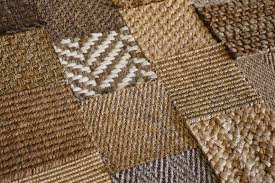
The Comparison Matrix: Coir vs Jute Rugs at a Glance
Before we dive into the nitty-gritty details, let’s look at a quick cheat sheet. This matrix highlights exactly how these two powerhouse Indian plant fibers stack up against each other across key everyday factors.
| Feature | Coir Rugs & Mats | Jute Area Rugs |
| Source Material | Coconut Husk (Outer shell) | Jute Plant Stalks (Pat san) |
| Texture & Softness | Stiff, prickly, and highly textured | Silky, soft, and comfortable barefoot |
| Durability Factor | Exceptionally high; heavy-duty | Moderate to high; best for low-to-medium traffic |
| Best Areas to Place | Main entrance, balconies, mudrooms, hallways | Bedrooms, living rooms, dining spaces |
| Water & Moisture Resistance | Excellent; naturally rot-resistant | Poor; prone to mold and water stains |
| Primary Function | Scraping dirt, mud, and debris | Adding warmth, texture, and indoor comfort |
| Maintenance Level | Low (Shake out or vacuum) | Moderate (Gentle vacuuming, spot cleaning) |
Deep Dive into Coir Rugs: The Ultimate Heavy-Duty Guard
Let’s start with the tough guy of the natural fiber world: Coir.
If you’ve grown up in an Indian household, you are definitely familiar with coir. Extracted from the fibrous outer husk of coconuts—predominantly sourced from the coastal belts of Kerala and Tamil Nadu—coir is a testament to nature’s strength.
Built for the Rugged Indian Outdoors and Hallways
Coir fibers are naturally thick, coarse, and incredibly stiff. Because of this rough-and-tough nature, coir rugs and doormats are the absolute undisputed champions when it comes to scraping ability.
Think about the sheer amount of dust, mud, and monsoon muck our footwear collects daily. A coir mat acts like a stiff brush under your shoes. When guests step onto a coir mat at your main door, the bristly fibers scrape away every last bit of dirt, ensuring the debris stays outside and your pristine indoor floors stay clean.
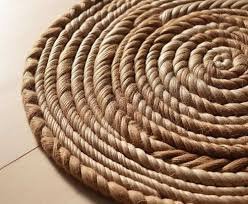
Why Coir is a Champion Against Moisture
One of the biggest advantages of choosing coir in the coir vs jute rugs debate is its relationship with water. Coconut trees thrive by the ocean, meaning coir fibers are naturally blessed with high water resistance. They don’t easily rot or breed mold when exposed to wet shoes or humid weather. This makes coir the perfect choice for:
- Your main apartment entrance
- The balcony door step
- Verandas and sit-outs
- The transition space right outside your bathroom or kitchen
Things to Keep in Mind
While coir is practically indestructible, it isn’t meant for lounging. If you sit or walk barefoot on a coir rug, it will feel prickly and stiff. It’s also prone to initial shedding—which is completely normal for a genuine coconut fiber product—but a quick shake outside will fix it right up!
Deep Dive into Jute Rugs: The Golden, Silky Comfort
Now, let’s flip the coin and talk about the gentler side of natural decor: Jute.
Known globally as the “Golden Fiber,” jute is primarily grown in the fertile plains of West Bengal. Unlike coir, which comes from a tough fruit shell, jute is harvested from the soft stalks of the jute plant. The result? A fiber that is incredibly supple, flexible, and surprisingly soft.
Barefoot Bedroom Comfort and Elegance
If your priority is underfoot comfort, jute wins the coir vs jute rugs battle hands down. Jute rugs have a beautiful, natural golden-brown hue and a subtle, silky sheen that looks incredibly premium.
When woven into an area rug, jute feels wonderfully soft under your bare feet. It gives you that rustic, bohemian look without any of the scratchiness. This makes it an absolute favorite for spaces where you want to relax, unwind, and kick off your shoes.
Ideal Placements for Jute Fibers
Because jute is softer and more delicate than coir, it thrives in low-to-medium traffic areas where comfort is a priority over heavy dirt scrubbing. It is perfect for:
- The Master Bedroom: Right under the bed so your feet land on warmth every morning.
- The Living Room: Placed under your coffee table to create a grounded, organic anchor for your sofa set.
- The Dining Room: Creating an elegant, earthy vibe under your wooden dining table.
The Jute Vulnerability: Watch Out for Water!
If coir loves a bit of a challenge, jute prefers to stay safe and dry. Jute fibers are highly absorbent. If you spill water, coffee, or daal on a jute rug, the fibers will soak it up like a sponge, which can lead to permanent water stains or even mildew growth if not dried quickly. Therefore, keep your jute rugs strictly indoors and away from damp zones.
Coir vs. Jute Rugs: A Direct Buying Guide Checklist
Still sitting on the fence trying to decide which one to add to your cart? Let’s make it incredibly simple for you. Ask yourself these four quick questions to find your perfect match.
1. Where exactly are you placing the rug?
- If it is going outside the front door, on the balcony, or in a high-traffic hallway where people walk with shoes on, buy a Coir Rug/Mat.
- If it is going inside your living room, bedroom, or home office where you walk barefoot or in socks, buy a Jute Area Rug.
2. Is softness a dealbreaker for you?
- If you want something cozy, plush, and comfortable to sit on, choose Jute.
- If you want something sturdy, structured, and highly functional, choose Coir.
3. What is the moisture situation in that area?
- If the area is prone to rain splashes, spills, or high humidity, go for Coir.
- If the area is completely dry and protected from the elements, go for Jute.
4. What is your primary maintenance style?
- Want something you can just beat against the wall or hose down occasionally? Go for Coir.
- Don’t mind gentle vacuuming and immediate spot cleaning to protect the fibers? Go for Jute.
How to Style Your Natural Fiber Rugs the Indian Way
No matter which side you choose in the coir vs jute rugs debate, both options offer incredible styling potential that complements traditional and contemporary Indian homes beautifully. Here are a few designer tips to elevate your home decor game:
The Layering Trend
One of the hottest interior design trends right now is rug layering. You can place a large, neutral jute area rug as your base layer in the living room, and then stack a smaller, vibrant, colorful traditional Kashmiri or Dhurrie rug right on top of it. This gives you the budget-friendly texture of jute with a beautiful pop of Indian color!
Contrast with Rich Woods
Both coir and jute feature beautiful, earthy tones that pair spectacularly with rich Indian woods like Teak (Sagwan), Sheesham, and Rosewood. Placing a golden jute rug under a Sheesham coffee table creates an instant premium look.
Pair with Indoor Greenery
Natural plant fibers look best when paired with… more plants! Place your coir mats on balconies surrounded by terracotta pots filled with money plants, snake plants, and monsteras. The combination of green foliage against the earthy brown fibers is pure therapeutic bliss.
Conclusion & Buyer’s Recommendation
When it comes down to choosing between coir vs jute rugs, there isn’t a single “winner”—instead, it’s all about finding the right tool for the right job. They are actually a match made in heaven that can coexist beautifully in the exact same house!
Our Final Verdict: > Let Coir handle the dirty work at your front door, gates, and balconies to shield your home from dirt and dust. Once you step inside your clean sanctuary, let Jute take over to wrap your living rooms and bedrooms in soft, golden, sustainable luxury.
By strategically placing both fibers across your home, you get the absolute best of both worlds: unbeatable durability where you need it, and beautiful barefoot comfort where you want it.
Ready to upgrade your home floors with the finest, eco-friendly natural choices? Explore our exclusive collection of premium, high-durability coir doormats and elegant jute rugs at coirmats-india.com today, and bring a piece of authentic Indian craftsmanship into your living space!
See Also
Jute vs Sisal vs Seagrass: Which One Wins? (The Surprise Winner Will Shock You!)
Coir vs. Rubber Door Mats: Which Entryway Mat Wins the Battle?
PVC Backed vs. Traditional Woven Coir Mats: What’s the Difference?