
If you run a home decor boutique, an international e-commerce brand, a large-scale retail chain, or a sourcing agency, you already know that sustainable home furnishing products are witnessing a massive global boom. Consumers everywhere are actively ditching cold, synthetic plastics in favor of warm, organic, and earth-friendly alternatives. At the absolute forefront of this eco-conscious revolution is the humble coconut fiber doormat. Have you heard of Alappuzha in Kerala and wondered about sourcing alappuzha coir mats
But if you want to trade, export, or stock high-quality mats that don’t fall apart after a few scrapes, you cannot just buy them from any random middleman. You need to go straight to the geographic epicenter of the global trade.
Welcome to Alappuzha (affectionately known as Alleppey), a stunning, picturesque network of interconnected backwaters, lagoons, and canals nestled in the coastal state of Kerala, India. Beyond its world-famous houseboats and serene tourism layout, Alappuzha holds a fierce corporate title: it is the undisputed “Coir Capital of the World.” For more than a century, this coastal hub has perfected the art of processing raw coconut husks into premium floor mats, rugs, and geotextiles. If you are an entrepreneur or procurement professional planning on sourcing alappuzha coir mats, this deep-dive commercial guide will give you the inside track on why this region is completely unmatched, where the major manufacturing clusters sit, and how to vet authentic suppliers online like a seasoned trade expert.
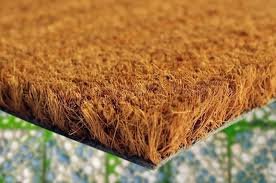
Why Kerala Coir Has Superior Quality (The Brackish Water Retting Process)
When browsing global wholesale marketplaces, you might notice cheaper fiber mats coming out of alternative regions. However, experienced international buyers consistently pay a premium for authentic Kerala coir. Why? Because the raw fiber processed here possesses a natural tensile strength, color brightness, and durability that cannot be synthetically duplicated.
The secret behind this superior quality isn’t just modern factory machinery—it lies in Alappuzha’s unique coastal geography and a traditional pre-production method called the brackish water retting process.
[ Raw Green Husks ] ➔ [ 6-10 Months Brackish Water Soak ] ➔ [ Natural Bacterial Retting ]
                                                                      │
[ Superbly Flexible, Golden-Bright Coir Fiber ] ◀ ➔ [ Pectin/Tannins Completely Leached Out ]
- The Natural Soaking Network: Alappuzha is blessed with a vast network of backwaters where fresh river water mixes perfectly with salty sea tides. Local processors submerge raw coconut husks into these specific brackish water channels for six to ten months.
- The Organic Breakdown: During this prolonged soaking period, natural bacterial action breaks down the sticky plant tissues (pectin) binding the fibers together without degrading the core cellulose structure. This completely leaches out harsh organic compounds and excess tannins.
- The Golden Result: Fiber extracted via brackish water retting is incredibly flexible, long, and displays a beautiful, bright natural golden-tan hue. In contrast, un-retted fibers from dry inland regions are extracted mechanically via dry crushing, resulting in short, stiff, dark brown bristles that are highly prone to snapping, infinite shedding, and premature rot when exposed to humidity.
For a commercial retailer, sourcing retted fiber products means your customers get a doormat with a luxury texture, superior shoe-scraping stiffness, and a lifespan that easily outlasts the competition.
Main Coir Product Clusters in Alappuzha
Alappuzha’s coir ecosystem isn’t just one massive factory zone; it is a highly specialized industrial network divided into distinct geographic and product clusters. Understanding which micro-region specializes in what layout will save you weeks of logistical headache when looking for specific wholesale items.
1. The Cherthala Cluster (The Modern Industrial Hub)
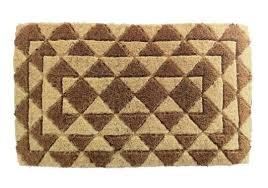
Located just north of Alappuzha town, Cherthala is the engine room for modern, large-scale commercial production. If you are looking for high-volume orders of PVC backed tufted coir mats, rubber-molded hybrid mats, or precisely cut roll goods, this is where you need to focus your search. The factories here house automated machinery capable of handling massive Minimum Order Quantities (MOQs) with strict quality control lines for international retail giants.
2. The Ambalappuzha and Kuttanad Belts (The Heritage Handloom Centers)
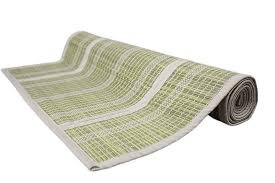
If your brand values the unique charm of authentic artisan workmanship, head south toward the Ambalappuzha region. This area is incredibly famous for traditional handloom woven coir mats. Here, master weavers operate large wooden looms to create classic creel mats, rod mats, and heavy-duty fiber mats. These products contain absolutely zero plastic or vinyl backings, making them highly sought-after by high-end eco-boutiques in Europe and North America looking for 100% biodegradable products.
3. The Muhamma Cluster (The Creative Printing Zone)
Muhamma is highly specialized in value addition and surface decoration. If your business model involves selling mats with custom typography, quirky welcoming slogans, colorful holiday graphics, or intricate stenciled designs, Muhamma’s clusters house the best screen-printing and automated inkjet-printing facilities in the region.
How Global Retailers Can Vet Coir Suppliers Online
Sourcing products from overseas can sometimes feel intimidating, especially when you are trying to separate high-quality manufacturers from untrustworthy trading agents masquerading as factory owners on online wholesale directories. Use this systematic verification checklist to find the right manufacturing partner in Alappuzha cleanly:
- Request Detailed Pile Height and Mass Specifications: When requesting quotes, don’t just ask for the price per piece. Ask for the exact pile height (typically ranging from 15mm to 30mm) and the weight per square meter ($g/m^2$). A premium, high-density PVC backed mat should ideally weigh between $5000\ g/m^2$ and $6000\ g/m^2$. If a vendor offers an incredibly low price, check their product mass—they might be thinning out the brush density to save on raw materials.
- Verify Physical Production Assets via Video Calls: Do not rely solely on polished catalog pictures. Request a live video walkthrough of their factory floor during Indian working hours. Check if they have an active tufting line, automated printing beds, or traditional looms operating on-site. An authentic manufacturer will proudly showcase their infrastructure, whereas a middleman agent will frequently make excuses to avoid live video calls.
- Evaluate UV-Stabilization Options for Custom Prints: If you are buying printed doormats, ask the supplier what type of dyes they use. Premium Alappuzha exporters use high-quality, UV-stabilized water-based acrylic paints or specialized digital inks. If a supplier uses cheap industrial paints to save costs, your custom prints will fade away or bleed out the very first time they are exposed to sunlight or rain.
Certifications to Look For (Building Trust and Compliance)
To ensure your imported goods clear international customs smoothly and appeal to high-end corporate buyers, your chosen Alappuzha manufacturer should hold valid certifications from recognized regulatory bodies.
┌──────────────────────────────────────────────────────────┐
│             B2B COMPLIANCE & EXPORT CREDENTIALS          │
├──────────────────────────┬───────────────────────────────┤
│ Coir Board of India      │ Valid RCMC Registration       │
├──────────────────────────┼───────────────────────────────┤
│ Bureau of Indian Standards│ Eco-Mark Certification        │
├──────────────────────────┼───────────────────────────────┤
│ Global Trade Compliance  │ ISO 9001 & BSCI Audited       │
└──────────────────────────┴───────────────────────────────┘
- Coir Board of India Registration: This is the absolute base requirement. The Coir Board is a statutory body established by the Government of India to promote the industry. Ensure your supplier holds a valid Registration-cum-Membership Certificate (RCMC) from the Coir Board, which guarantees they operate under legitimate trade guidelines.
- The Eco-Mark Certification: Issued by the Bureau of Indian Standards (BIS), this mark identifies products that have a significantly reduced environmental impact during production, ensuring the fibers were sourced sustainably without toxic chemical retting habits.
- International Social Audits: If you are supplying to massive global retail chains in the US or UK, verify if the Alappuzha factory is BSCI (Business Social Compliance Initiative) or SEDEX audited. These certifications guarantee that the factory provides fair wages, zero child labor, and safe, ethical working conditions for the local weavers and workers.
Summary
When it comes to sourcing alappuzha coir mats, going straight to the geographic root gives your business an immediate competitive edge in terms of product quality, durability, and authenticity. By understanding the natural superiority of Keralan brackish water retting, targeting the correct geographic product cluster for your specific design needs, and rigorously vetting vendors for proper density metrics and Coir Board credentials, you can build a highly profitable, sustainable, and transparent supply chain that will keep your customers delighted for years to come!