

Every Indian home has one small but important guard standing at the entrance: the doormat.
It catches dust from slippers, mud from rainy streets, garden soil from the balcony, and all the random dirt that comes in from outside. But when we go to buy one, the choice usually looks simple. On one side, there is a cheap synthetic doormat in bright colours. On the other side, there is a natural coir doormat made from coconut fibre.
At first, the synthetic mat may look like the smarter deal. It is cheaper, colourful, lightweight, and easy to pick up from a supermarket shelf. But when you look deeper at polypropylene vs natural coir doormats, the real cost is not only the price printed on the tag.
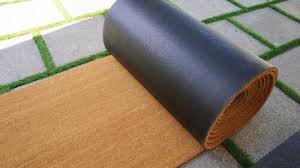
You also need to think about durability, cleaning performance, water handling, fading, microplastics, disposal, safety, and long-term value.
This detailed guide compares polypropylene vs natural coir doormats for Indian homes, apartments, farmhouses, offices, shops and eco-conscious buyers who want a practical but responsible choice.
Quick Answer: Polypropylene vs Natural Coir Doormats
When comparing polypropylene vs natural coir doormats, natural coir is usually better for scraping mud, dust and dry dirt because its rough coconut fibre texture works like a natural brush. Polypropylene mats are often cheaper and lighter, and some handle water better in exposed areas, but they are plastic-based and may contribute to synthetic fibre shedding and plastic waste over time. For most Indian homes, a good-quality coir mat is the better entrance mat if you want durability, natural looks and an eco-friendlier choice.
What Is a Polypropylene Doormat?
A polypropylene doormat is a synthetic doormat made from polypropylene, commonly called PP. Polypropylene is a widely used plastic polymer that can be made into both plastic products and fibres. It is used in packaging, ropes, carpets, mats, containers, textiles and many other household goods. (British Plastics Federation)
In doormats, polypropylene is usually used in the form of plastic fibres or woven synthetic loops. These mats may come with rubber, PVC or latex backing. You often see them in supermarkets, hardware shops and online stores.
Polypropylene mats are popular because they are:
- Affordable
- Lightweight
- Colourful
- Easy to mass-produce
- Available in many designs
- Resistant to some moisture exposure
- Often promoted as easy to clean
So, in the polypropylene vs natural coir doormats debate, polypropylene gets attention mainly because of price and convenience.
But price is only one part of the story.
What Is a Natural Coir Doormat?
A natural coir doormat is made from coir fibre, which comes from the outer husk of coconuts. Coir is a natural lignocellulosic fibre, meaning it contains plant-based cellulose and lignin. These properties make it strong, tough and suitable for mats, ropes, brushes and floor coverings. (FAOHome)
India has a long relationship with coconut fibre products, especially in states like Kerala, Tamil Nadu and Karnataka. Coir is used for mats, ropes, brushes, mattresses, geotextiles and many traditional household products.
A natural coir doormat is loved because it is:
- Rough and excellent for scraping dirt
- Made from coconut husk fibre
- Naturally rustic and earthy-looking
- Suitable for Indian homes
- Durable when used correctly
- Biodegradable compared to plastic mats
- A good fit for eco-conscious homes
When we compare polypropylene vs natural coir doormats, coir wins strongly on natural material value and traditional Indian relevance.
The Supermarket Decision: Cheap Synthetic Mat or Coconut Fibre Mat?
Imagine this.
You are buying groceries and suddenly remember that the old doormat at home has become dirty. You see a bright plastic mat for a low price. Nearby, there is a natural coir mat that costs a little more.
The plastic mat looks tempting. It may have a fancy printed message, cartoon design or bold colour. The coir mat looks simple, earthy and slightly old-school.
But a doormat is not just decoration. It has a job. It must stop dirt before it enters your house.
This is where polypropylene vs natural coir doormats becomes a practical decision. Cheap synthetic mats may look nice initially, but they may flatten, fade, crack or shed with regular use. Coir mats may look simpler, but they often do the real entrance job better.
Performance Comparison: Scraping Mud vs Absorbing Water
The first question is simple: which mat cleans footwear better?
Mud, Dust and Dry Dirt
For dry mud, dust, garden soil and street dirt, natural coir performs beautifully. The stiff coconut fibres work like a brush. When you rub your footwear on a coir mat, the rough fibres scrape off mud particles and dust from the sole.
This is especially useful in Indian conditions, where dust is a daily problem in many cities and towns.
Coir is particularly useful for:
- Main doors
- Garden entrances
- Farmhouse entries
- Balcony doors
- Terrace access doors
- Shopfront entrances
- Homes near dusty roads
In the polypropylene vs natural coir doormats comparison, coir is clearly stronger for scraping dirt.
Water and Wet Footwear
Polypropylene mats may handle wet conditions differently depending on their design. Some synthetic mats allow water to pass through quickly, while others trap moisture on the surface. This is why they are commonly used in bathrooms, poolside areas and outdoor utility spaces.
Coir can absorb some moisture, but it should not remain soaked for long periods. If a coir mat is left continuously wet, especially during monsoon, it can darken, smell or deteriorate faster.
So, the practical answer is:
- For scraping mud and dry dirt: choose coir.
- For constantly wet areas: choose a synthetic or rubber mat.
- For covered entrances: coir is excellent.
- For exposed rain areas: use coir only if the mat can dry properly.
This is the most balanced way to understand polypropylene vs natural coir doormats for Indian weather.
Aesthetic Longevity: Which Mat Fades, Cracks or Mats Down Faster?
A doormat may look nice on day one, but what happens after six months?
That is where real quality shows.
Polypropylene Mat Appearance Over Time
Polypropylene mats often begin with bright colours and sharp designs. But regular sunlight, friction, dust and washing can reduce their appearance. Some mats become flat, dull or brittle. Low-quality synthetic mats may also develop curled edges, cracked backing or loose fibres.
In hot Indian cities, direct sunlight can be harsh on plastic-based products. A cheap synthetic mat kept outdoors may not age gracefully.
Natural Coir Mat Appearance Over Time
A natural coir doormat usually has a more rustic look from the beginning. It does shed some fibres, especially when new, but good-quality coir mats maintain their earthy charm for a long time when placed in a covered entrance.
Coir does not try to look glossy or artificial. Its beauty lies in its natural texture.
For homes with wooden doors, stone floors, plants, cane furniture, terracotta pots or earthy interiors, coir often looks far better than plastic mats.
In terms of polypropylene vs natural coir doormats, polypropylene may look brighter at first, but coir usually looks more timeless and premium in the long run.
Environmental and Safety Analysis: Microplastics vs Biodegradable Disposal
This is where the “real cost” of synthetic mats becomes visible.
The Plastic Problem with Polypropylene Mats
Polypropylene is plastic. It may be useful and durable, but it is still a fossil-fuel-based synthetic material. Plastic products can be difficult to recycle at scale, especially when they are dirty, mixed with rubber backing, glued, dyed or contaminated after use. (Reuters)
Synthetic textiles and fibres are also linked with microfibre shedding. Research has shown that synthetic textiles can release microfibres, and microplastics can persist in the environment for long periods. (PMC)
Now, a doormat is not washed like a fleece jacket every week. So we should not exaggerate the comparison. But synthetic mats do face abrasion every day. Shoes rub against them, dust grinds into them, and outdoor exposure weakens the fibres. Over time, tiny plastic particles and broken fibres may become part of household dust, roadside dust or landfill waste.
That is why eco-conscious buyers are asking more questions about polypropylene vs natural coir doormats.
The Natural Advantage of Coir
Coir comes from coconut husk, a natural by-product of coconut processing. Coir fibres are renewable and biodegradable, and they are increasingly discussed as sustainable substitutes for synthetic fibres in several applications. (MDPI)
This does not mean a coir mat disappears overnight. In fact, coir is strong and slow to break down because of its lignin-rich structure. That is exactly why it works well as a doormat. But at end-of-life, natural fibre is still a more earth-friendly material than a mixed plastic mat.
So, in the polypropylene vs natural coir doormats debate, coir clearly has the environmental advantage.
Safety at Home: Slipping, Dust and Indoor Air
Safety is not only about the environment. It is also about your home.
Slip Resistance
Both polypropylene and coir mats can slip if they do not have good backing. A lightweight plastic mat without grip may slide on tiles. A coir mat without proper backing may also move on smooth flooring.
For Indian homes with vitrified tiles, marble or granite flooring, always choose a mat with a good anti-skid backing.
Dust Control
Coir mats are very effective at stopping dust outside the home. Because they scrape the footwear properly, less dirt enters your living room.
Polypropylene mats may trap dust if they have looped or ribbed construction, but many cheap mats are too soft or flat to clean shoe soles properly.
Barefoot Use
For barefoot areas like puja rooms, bathrooms or bedrooms, coir may feel rough. It is best used at the entrance. Synthetic mats or cotton rugs may feel softer indoors.
Again, the right choice depends on the location.
Cost Comparison: Cheap Price vs Long-Term Value
Let us talk about money.
A polypropylene mat may cost less at the time of purchase. That is why many buyers choose it quickly.
But the real cost includes:
- How long the mat lasts
- How well it cleans footwear
- How often it needs replacement
- Whether it looks good after regular use
- Whether it becomes waste quickly
- Whether it suits your home entrance
A coir mat may cost slightly more, but if it performs better and lasts longer in the right location, it can offer better value.
In polypropylene vs natural coir doormats, the plastic mat may win on first price, while the coir mat often wins on usefulness and long-term satisfaction.
Best Use Cases: Where Each Mat Works Better
Choose a Natural Coir Doormat For:
- Main entrance
- Covered doorway
- Dusty surroundings
- Garden-facing doors
- Balcony doors
- Rustic home décor
- Eco-friendly homes
- Villas and farmhouses
- Shops and boutique entrances
Choose a Polypropylene Doormat For:
- Bathroom entrance
- Utility area
- Fully exposed wet zones
- Temporary use
- Rental homes where budget is very tight
- Areas needing frequent water washing
This is the honest way to approach polypropylene vs natural coir doormats. Coir is not automatically best everywhere, and polypropylene is not useless. The better question is: what job do you want the mat to do?
Which Mat Works Better for Indian Homes?
For most Indian homes, the entrance mat must handle:
- Dust
- Mud
- Street dirt
- Slipper marks
- Monsoon moisture
- Garden soil
- Daily foot traffic
A natural coir doormat is especially useful in these conditions because it is tough and rough enough to scrape footwear properly.
In apartments, a coir mat works well outside the main door if the corridor is covered. In independent houses, it works best under a shade, porch or covered entrance. In villas and farmhouses, coir is excellent near garden doors and verandahs.
Polypropylene mats may work better in service areas, bathrooms and places where the mat will stay wet frequently.
For entrance use, polypropylene vs natural coir doormats usually ends in favour of coir.
How to Maintain a Coir Doormat
Good care can extend the life of your coir mat.
Shake It Regularly
Take the mat outside and shake it to remove dust.
Beat It Gently
A light beating helps release trapped soil.
Keep It Dry
Do not let it stay soaked for many days.
Avoid Machine Washing
Coir mats are not meant for washing machines.
Brush the Surface
Use a stiff brush to remove stubborn dirt.
Place It Under Shade
A covered entrance is ideal.
With these simple habits, a natural coir doormat can remain useful and attractive for a long time.
How to Maintain a Polypropylene Mat
Polypropylene mats are usually easier to wash, but they also need care.
Wash with Water
Most synthetic mats can be rinsed with water.
Dry Fully
Do not leave water trapped under the backing.
Avoid Harsh Sunlight
Strong sunlight can weaken some low-quality mats.
Replace When Cracked
If the backing cracks or the fibres break, replace the mat.
Do Not Burn Plastic Mats
Burning plastic waste can release harmful fumes. Dispose of synthetic mats through available waste channels.
Design and Décor: Which Looks Better?
This depends on your home style.
A polypropylene mat can look colourful and playful. It may work for children’s rooms, temporary rented spaces or casual utility areas.
A natural coir doormat looks more classic. It suits:
- Indian wooden doors
- Brick walls
- Stone flooring
- Indoor plants
- Cane furniture
- Minimalist homes
- Traditional homes
- Eco-conscious décor
For a warm, welcoming entrance, coir has a natural charm that plastic mats rarely match.
The Hidden Cost of Synthetic Mats
The real cost of synthetic mats is not always visible.
It includes:
- Plastic waste
- Short replacement cycles
- Possible synthetic fibre shedding
- Difficult end-of-life disposal
- Lower natural aesthetic value
- Dependence on fossil-fuel-based materials
This is why polypropylene vs natural coir doormats should not be judged only by the cheapest price tag.
A doormat may be small, but it is part of your home’s everyday consumption pattern. Choosing natural materials where practical is a simple step toward a more conscious home.
Final Verdict: Which Gatekeeper Wins?
So, who wins in polypropylene vs natural coir doormats?
For most Indian home entrances, natural coir wins.
It scrapes dirt better, looks more elegant, uses renewable coconut fibre and fits beautifully with Indian homes. It is especially suitable for covered entrances, balconies, garden doors and main doors.
Polypropylene mats still have a place. They are useful for wet areas, temporary use, utility spaces and budget situations. But as a main entrance mat, a natural coir doormat offers better cleaning performance, better aesthetics and a more eco-conscious story.
If you want a mat that does more than just sit at the door, choose coir. It is not just a doormat. It is a small but powerful gatekeeper for a cleaner and more sustainable home.
FAQs on Polypropylene vs Natural Coir Doormats
Which is better, polypropylene or natural coir doormat?
For main entrances, natural coir is usually better because it scrapes mud, dust and dry dirt more effectively. Polypropylene may be better for wet utility areas or bathrooms.
Are coir doormats eco-friendly?
Yes, coir doormats are more eco-friendly than plastic mats because they are made from coconut husk fibre, a renewable natural material. Coir is also biodegradable compared to synthetic plastic fibres. (MDPI)
Do polypropylene mats release microplastics?
Synthetic textiles and fibres can shed microfibres, and microplastics can persist in the environment. A doormat is not the same as a washable garment, but synthetic mats undergo daily abrasion from footwear, so plastic fibre shedding is a valid concern. (PMC)
Are coir mats good for rainy weather?
Coir mats can handle some moisture, but they should not stay soaked for long periods. They work best in covered entrances where they can dry properly.
Which doormat is best for Indian homes?
For Indian main doors, balconies, verandahs and garden entrances, natural coir doormats are a strong choice because they handle dust and mud very well.
Are polypropylene doormats washable?
Yes, many polypropylene doormats can be rinsed or washed with water. However, always check the product instructions because the backing material may differ.
Do coir mats shed fibres?
Yes, coir mats may shed some fibres, especially when new. This is normal. Regular shaking and brushing help manage shedding.
Which mat lasts longer?
It depends on quality and placement. A good coir mat placed in a covered entrance can last well. A low-quality polypropylene mat exposed to sun and heavy use may flatten or crack faster.
Can I use a coir mat indoors?
Yes, but coir is rough. It is best used at entrances, balconies and garden doors rather than bedrooms or barefoot areas.
Is a coir doormat worth the higher price?
Yes, if you want strong dirt scraping, natural looks and an eco-conscious material. A coir mat may cost more initially, but it often gives better long-term value at the entrance.
See Also
Best Doormat Review | Quality Floor Mat | BEST doormat You’ll Ever Buy
Synthetic Coir Matting Takes the Stage!
Coir vs. Jute Rugs: A Head-to-Head Natural Fiber Comparison
Cotton Comforter vs. Dohar: The Ultimate Indian Bedding Showdown
