

Picture this: You just bought a beautiful, rustic new coir doormat for your main entrance to welcome guests. It looks earthy, eco-friendly, and perfectly matches your veranda aesthetic. But within just two days, you notice tiny, prickly brown coconut fibers migrating across your living room tiles, clinging to your doormats inside, and somehow tracking all the way to your bedroom. So, how to stop coir mats from shedding
If you are currently frustrated by finding stray coconut hair all over your house, you are not alone! It feels like you’ve bought a pet that won’t stop shedding.
But here is the good news: all natural coir mats shed initially. It is completely normal and not a sign of poor quality. Coconut fiber is naturally stiff and robust, and during the manufacturing process in places like Kerala, millions of loose fibers get trapped within the pile. When people step on the mat, these loose strands break free.
Fortunately, you don’t have to throw your mat away. In this complete guide, we will look at exactly how to stop coir mats from shedding using simple, practical methods that will save your floors and your sanity.
Why Do Coir Mats Shed? (The Nature of Coconut Fiber)
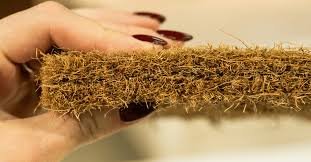
To fix the shedding problem, it helps to understand exactly what your doormat is made of. Coir is a 100% natural fiber extracted from the fibrous outer husk of coconuts. In India, particularly along the coastal belts of Kerala and Tamil Nadu, these husks are processed, spun into yarn, and woven into durable mats.
Because coconut fiber (or coir) is a raw, organic material, it behaves differently than synthetic plastics like nylon or polypropylene.
Here is why your natural coir doormat acts like a shedding machine at first:
- The Manufacturing Leftovers: When coir fibers are tufted into a PVC backing or woven on a traditional handloom, they are cut to an even height (called the pile height). This cutting process creates millions of microscopic loose fragments that stay trapped inside the dense mat.
- Friction and Foot Traffic: Every time your family, guests, or the delivery boy steps on the mat to scrape their shoes, the pressure releases those trapped, loose coconut fibers.
- Lack of Binding Agents: High-quality, eco-friendly coir mats do not use heavy chemical glues to hold the top of the fibers together, as this would ruin the natural scraping texture. Therefore, the short fibers will naturally work their way out during the break-in period.
5 Step-by-Step Methods to Minimize Coir Mat Shedding
You don’t have to wait months for the shedding to stop on its own. By taking proactive measures, you can dramatically accelerate the process and control the mess. Here are 5 foolproof methods to tame your coconut fiber mat.
1. The Heavy Shakeout Technique
The simplest and most effective way to handle a shedding entryway mat is to give it a thorough shake before it even crosses your threshold. Don’t just give it a gentle flick; it needs a bit of muscle!
- How to do it: Take the mat completely outside into an open space (like your garden, building terrace, or balcony). Hold it firmly by the corners and shake it vigorously facing away from the wind.
- Pro-Tip for Indian Homes: Take a broom handle or a sturdy plastic cricket bat and give the back of the mat a few solid thumps while holding it up. This beats out the deeply embedded loose bristles that are waiting to fall out on your clean living room floor.
2. Vacuuming Without a Beater Bar
Vacuuming is excellent for maintaining natural fiber rugs, but doing it incorrectly can actually ruin your mat and increase shedding.
- The Danger of the Beater Bar: Most modern vacuum cleaners come with a motorized rotating brush head (called a beater bar) designed to pull dirt out of synthetic carpets. If you use this on a natural coir mat, the harsh bristles will aggressively pull at the stable coir fibers, causing more shedding and fraying the edges.
- The Correct Way: Use your vacuum cleaner’s suction-only attachment or a upholstery nozzle. Pass it slowly over the mat in multiple directions. This gently lifts away the loose debris without damaging the core structure of the woven fibers.
3. Strategic Trimming of Loose Edges
Sometimes, individual long strands or loose loops stick out from the sides of woven coir mats. If left alone, these strands will get caught under shoes or doors and pull out entire chunks of fiber.
- How to do it: Inspect the perimeter of your mat every few days during the first month. If you see long, unruly fibers sticking out, do not pull them with your hands! Pulling can unravel the weave. Instead, take a sharp pair of household scissors and trim them flush with the rest of the pile. This keeps the edges neat and prevents further fraying.
4. Apply a Light Layer of Clear Latex Spray
If you want a modern hack to seal the fibers slightly without losing the mat’s coarse texture, clear flexible rubber spray or a dedicated rug sealer works wonders.
- How to do it: Ensure the mat is completely clean and shaken out. Lightly spray a thin coat of clear flexible liquid rubber or outdoor clear coat sealer around the perimeter and the edges of the mat, as this is where fraying and shedding start. Do not coat the entire top surface heavily, or you will lose the rough texture needed to scrape mud off footwear.
5. Keep It Protected from Direct Elements
While coir is tough, extreme weather accelerates its breakdown. Exposure to harsh afternoon sunlight or heavy monsoon rain breaks down the natural lignin in the coconut fibers, making them brittle. Brittle fibers snap easily under foot pressure, leading to a secondary wave of constant shedding. Place your mat in a covered porch, veranda, or entryway where it is shielded from direct rain and prolonged sunlight.
What NOT to Do (Mistakes that worsen shedding)
When dealing with a messy mat, it is easy to make intuitive mistakes that end up permanently damaging the product. Here is what you should avoid at all costs:
- Never Put a Coir Mat in the Washing Machine: It might be tempting to throw a dirty, shedding mat into the machine, but water entirely saturates the fiber, causing it to swell and rot. Furthermore, the stiff fibers can easily damage your washing machine’s drum.
- Avoid Soaking It with Water: Do not wash your coir mat down with a garden hose to get rid of loose fibers. If a coir mat stays wet for too long, the natural oils rot, the backing separates, and it will smell damp and musty.
- Do Not Use Harsh Chemical Cleaners: Bleach or acidic floor cleaners will degrade the natural coconut husk structure, making the bristles extremely brittle and leading to infinite shedding.
When Will My Coir Mat Stop Shedding? (Expected Timelines)
The million-rupee question: How long do I have to deal with this?
Generally, a high-quality coir mat will experience its peak shedding phase during the first 2 to 4 weeks of regular use. If you practice the heavy shakeout and proper vacuuming techniques outlined above, you will notice the shedding drop by almost 80% within the first month.
Once the mat is thoroughly broken in, the shedding will reduce to a negligible amount, leaving you with a highly efficient, long-lasting mud scraper that will protect your home for years.
Summary & FAQ Section
To wrap things up, managing a shedding coir mat comes down to understanding its natural properties. Shake it out aggressively before use, vacuum it gently without rotating brushes, trim loose edges, and keep it dry.
Frequently Asked Questions
Q. Can I use a coir mat completely outdoors in the rain? A. It is not recommended. Natural coir absorbs water easily and takes a long time to dry. If exposed to heavy rain, it can develop mold and the fibers will degrade rapidly. It is best used in covered outdoor entryways, verandas, or indoors.
Q. Why is my old coir mat suddenly shedding again? A. If an old mat starts shedding excessively, it usually means the fibers have become dry and brittle due to age or sun exposure, or it has suffered water damage. This is a sign that the mat has reached the end of its lifespan and needs replacement.
Q. Are PVC-backed coir mats better at stopping shedding than woven ones? A. PVC-backed (or tufted) coir mats hold individual fibers securely in a vinyl base, which generally reduces shedding compared to traditional fully woven handloom mats. However, both will still experience mild shedding during the initial break-in period.
See Also
How to Clean and Revive a Dirty Door Mat
How to Clean Mold and Mildew from a Coir Door Mat Without Ruining It
